Lucilia
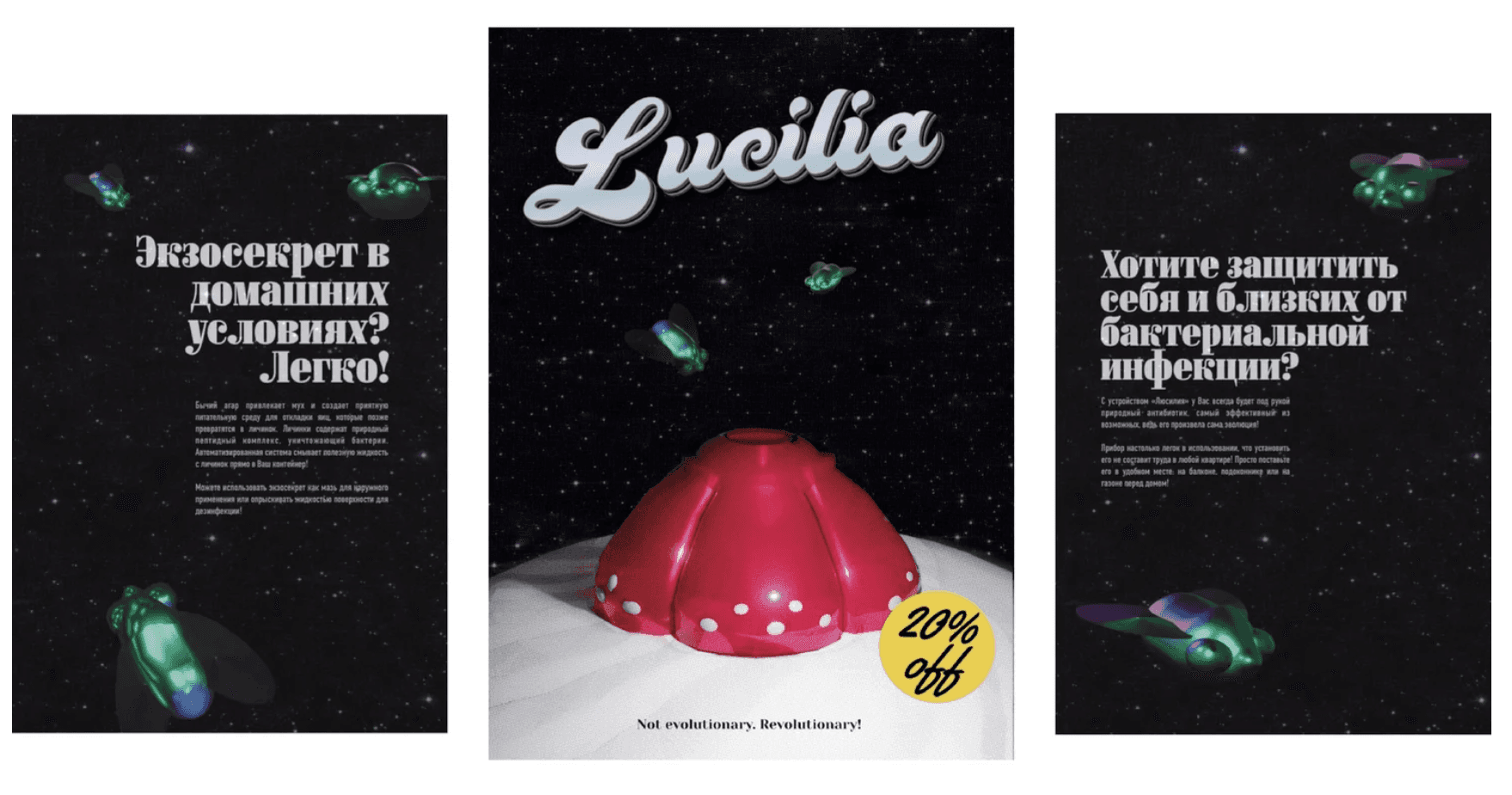
Immunologists say that in 20 years, infections will claim 10 million lives every year. But bacteria can adapt quickly to antibiotics, so scientists have to invent a new drug every few years to protect us from infectious diseases. However, bacteria also have an impact on other creatures. For example, flies have lived in the most contaminated environments since ancient times, but bacteria don't kill them. Why not? They have a secretion. It's a liquid on the surface of their bodies that they produce during digestion. The secretion contains compounds that protect the flies from various infections.
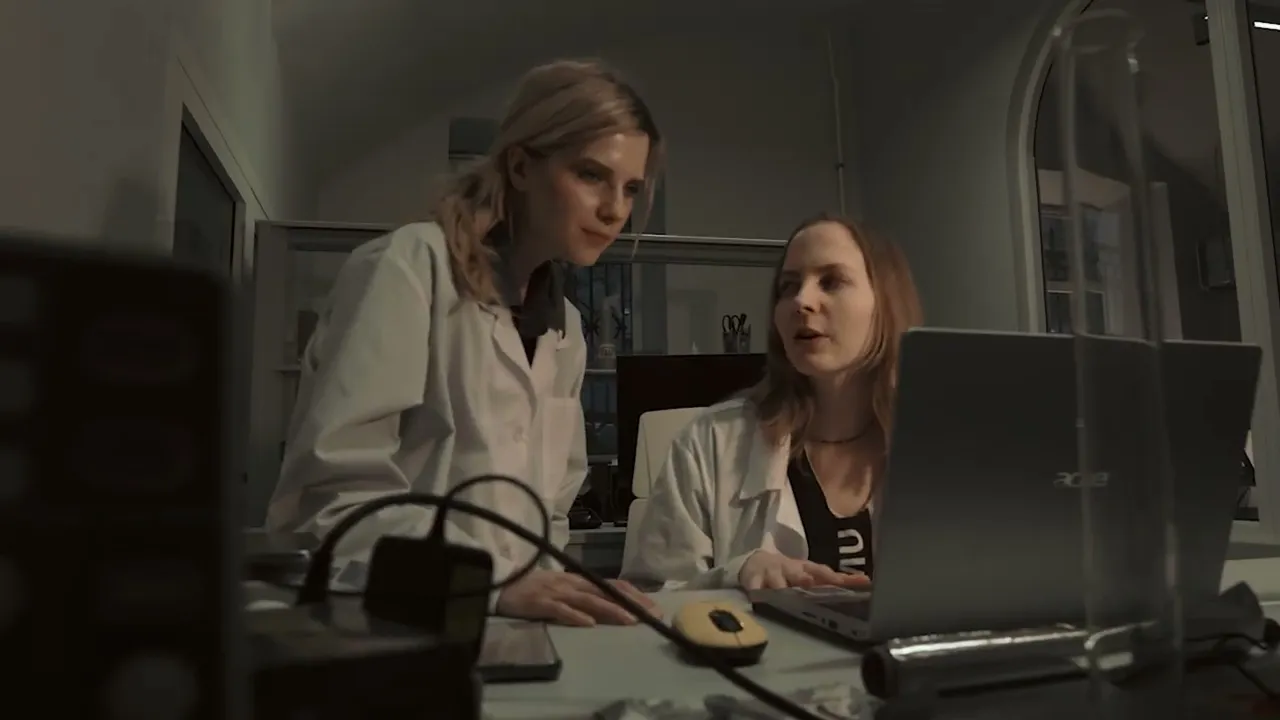
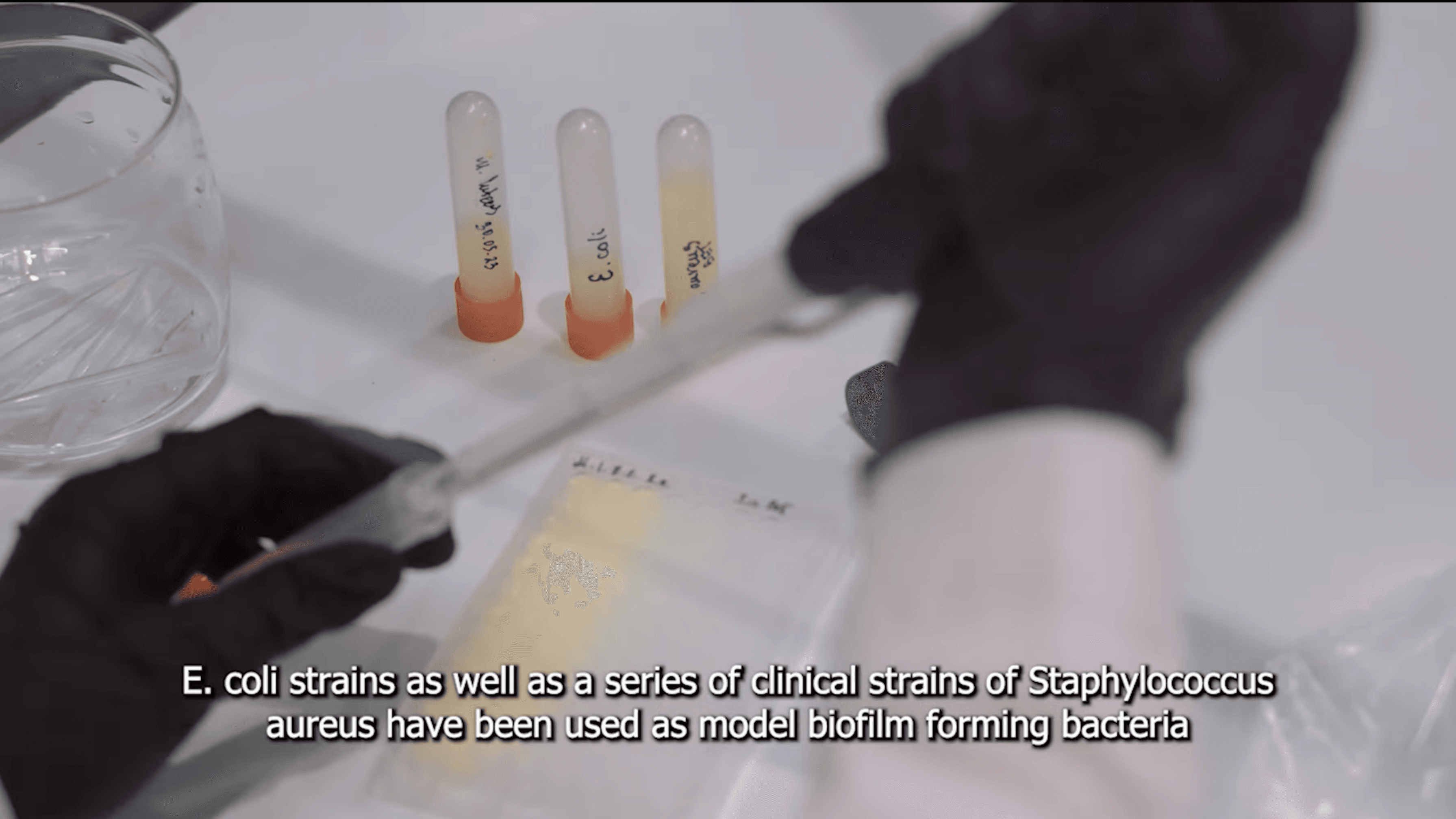
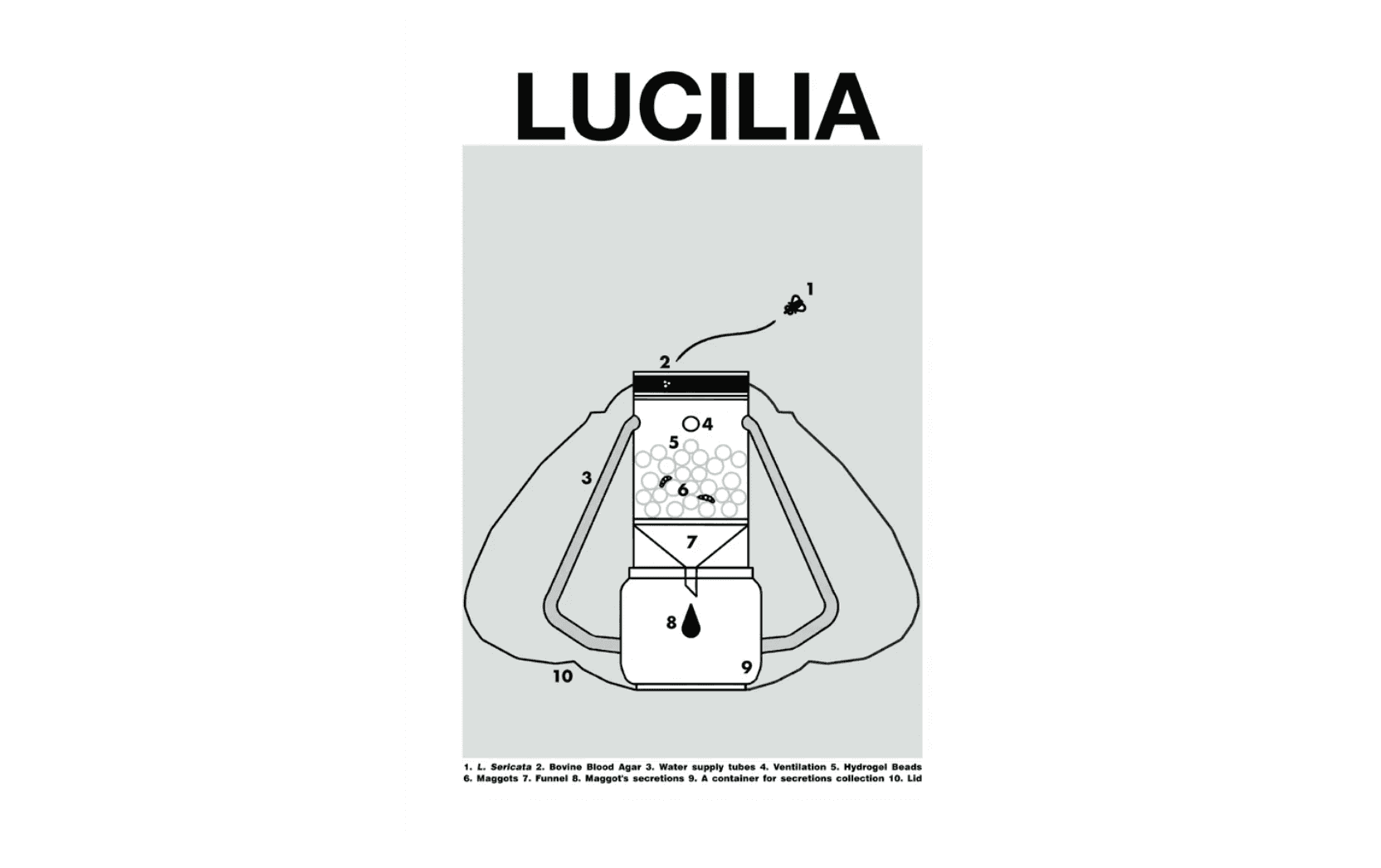
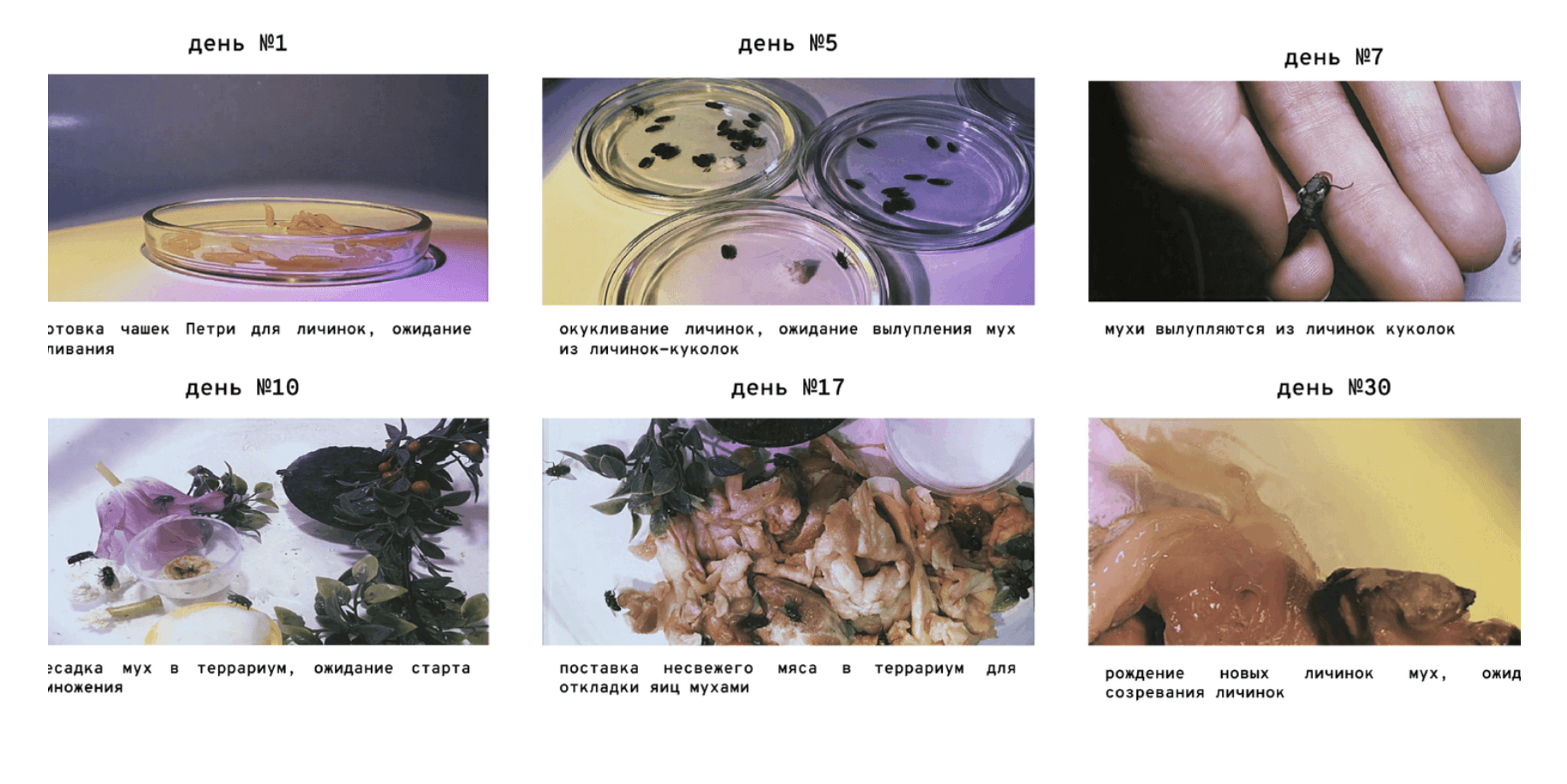
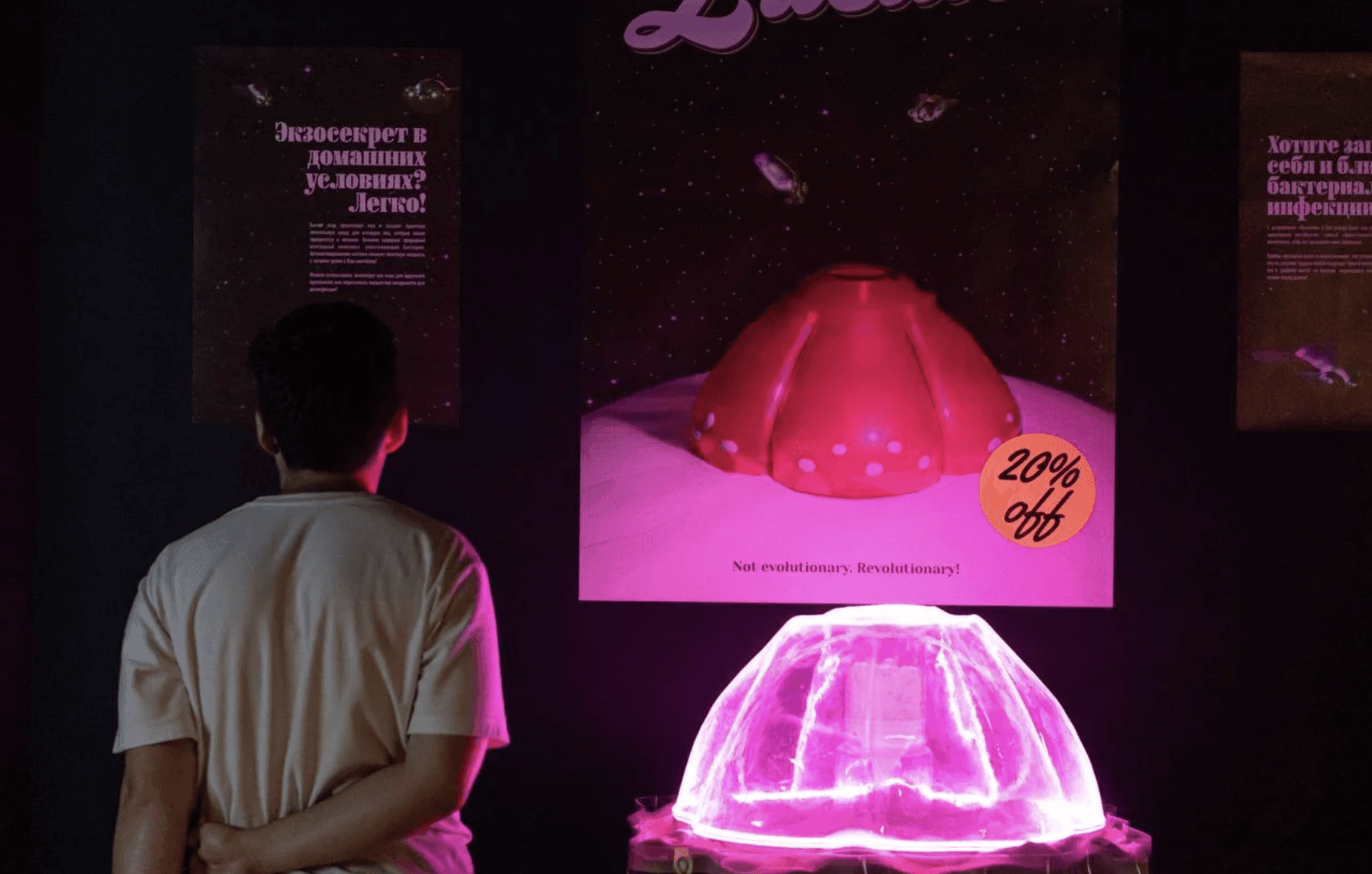
In the laboratory of insect biopharmacology and immunology of SPbSU, we, the artists, isolated secretion of the larvae of the meat green fly Lucilia sericata. Secretion proved its effectiveness on staphylococcus, micrococcus, Escherichia coli - the most common bacteria in the world. The study designed a device that would allow Secretion to be isolated in the home. The device demonstrates the full cycle of a fly's life: at the top of the flower is agar, which lures it in. Since this is an ideal breeding environment, the fly is happy to lay its eggs here. The eggs hatch into larvae. They live in a specially recreated environment that resembles their natural habitat. The larvae are washed off with water in a special compartment. The “Lucilia” device is designed in the form of a rafflesia, a flower that grows in the Philippines. Flies love it very much. Such a flower of the future is a prototype of a device that will allow everyone to get secretion at home.
As we look to the future, we look beyond the human. There are so many amazing creatures around who have been on this planet far longer than we have. And the evolutionary mechanisms that allowed them to survive are things we can learn from.
Scientific supervisor of the project: Ippolit Markelov, PhD in Biology, bio artist, ITMO University
Scientific advisor of the project:
Andrey Yakovlev, PhD in Biology, SPbSU
In collaboration with: Irina Koroleva
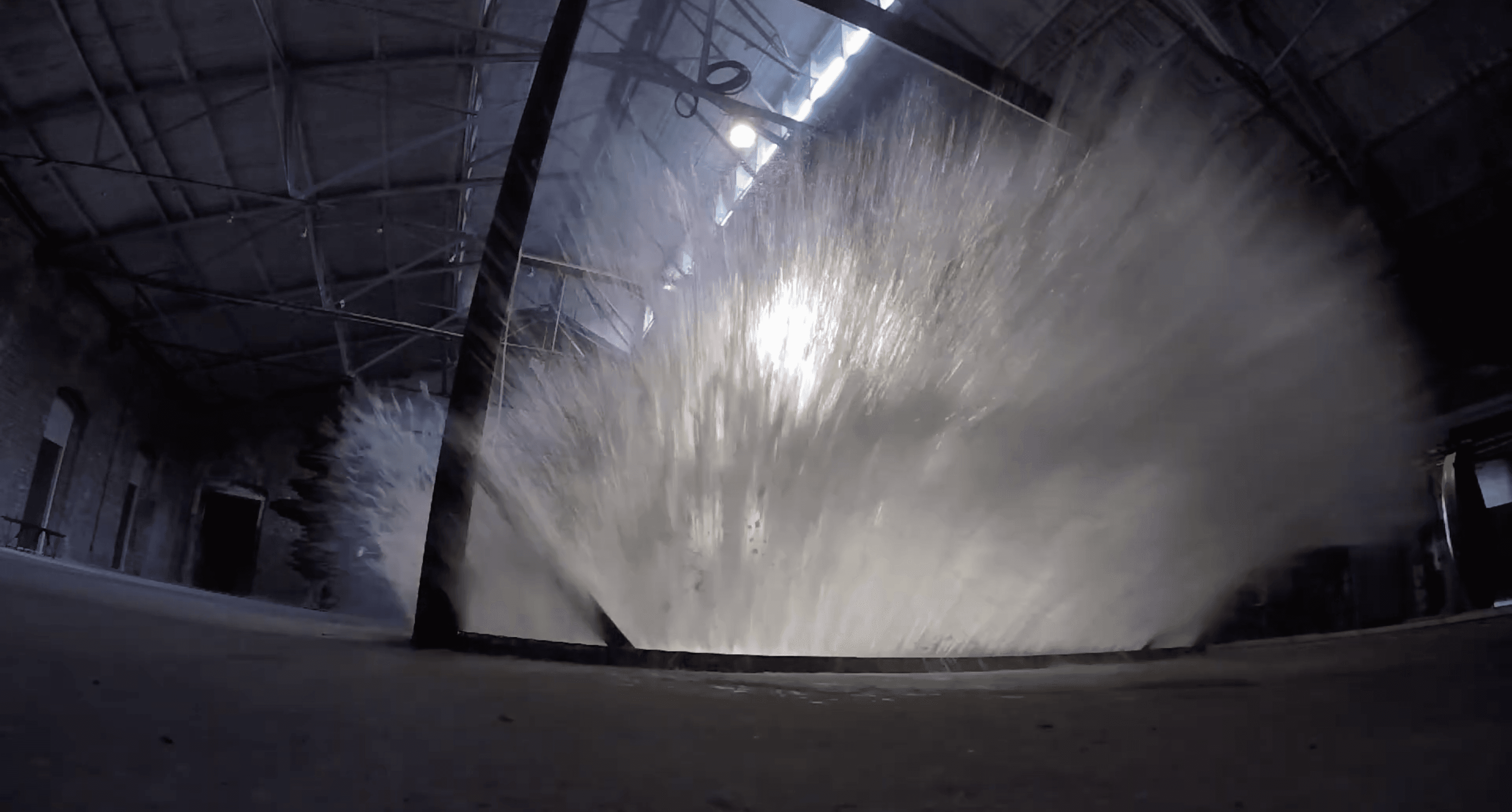
Waterfront / A Danish - Russian Artistic
Eco-urbanistic Project Focusing on Water
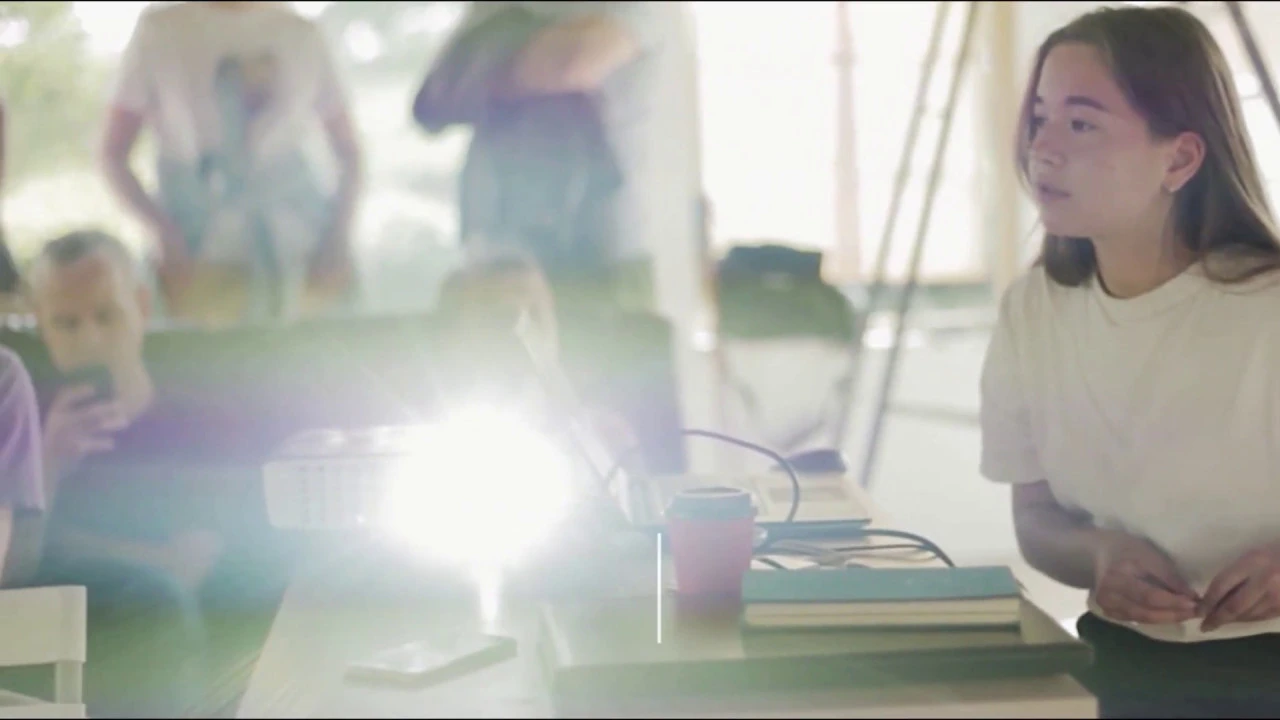
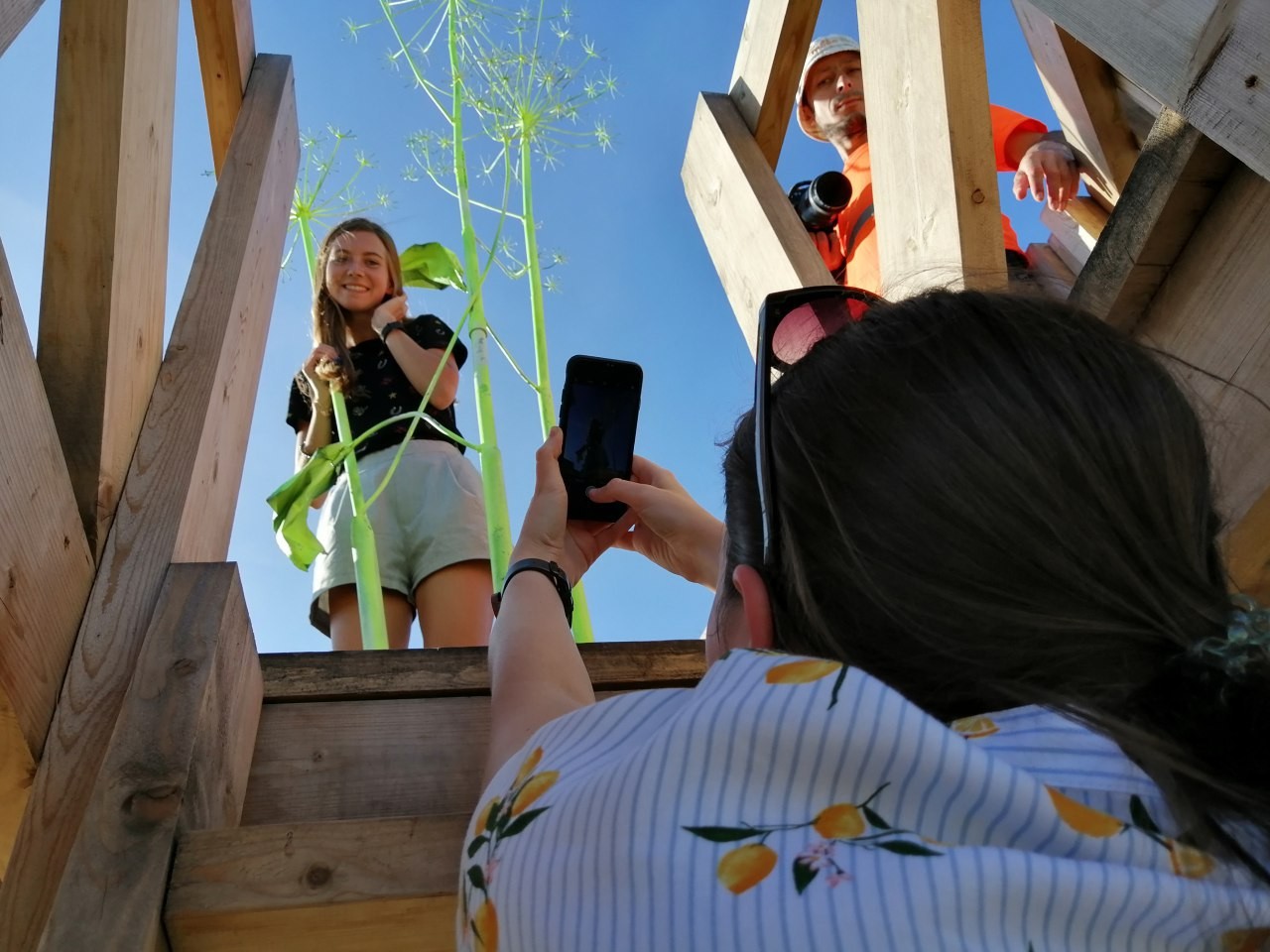
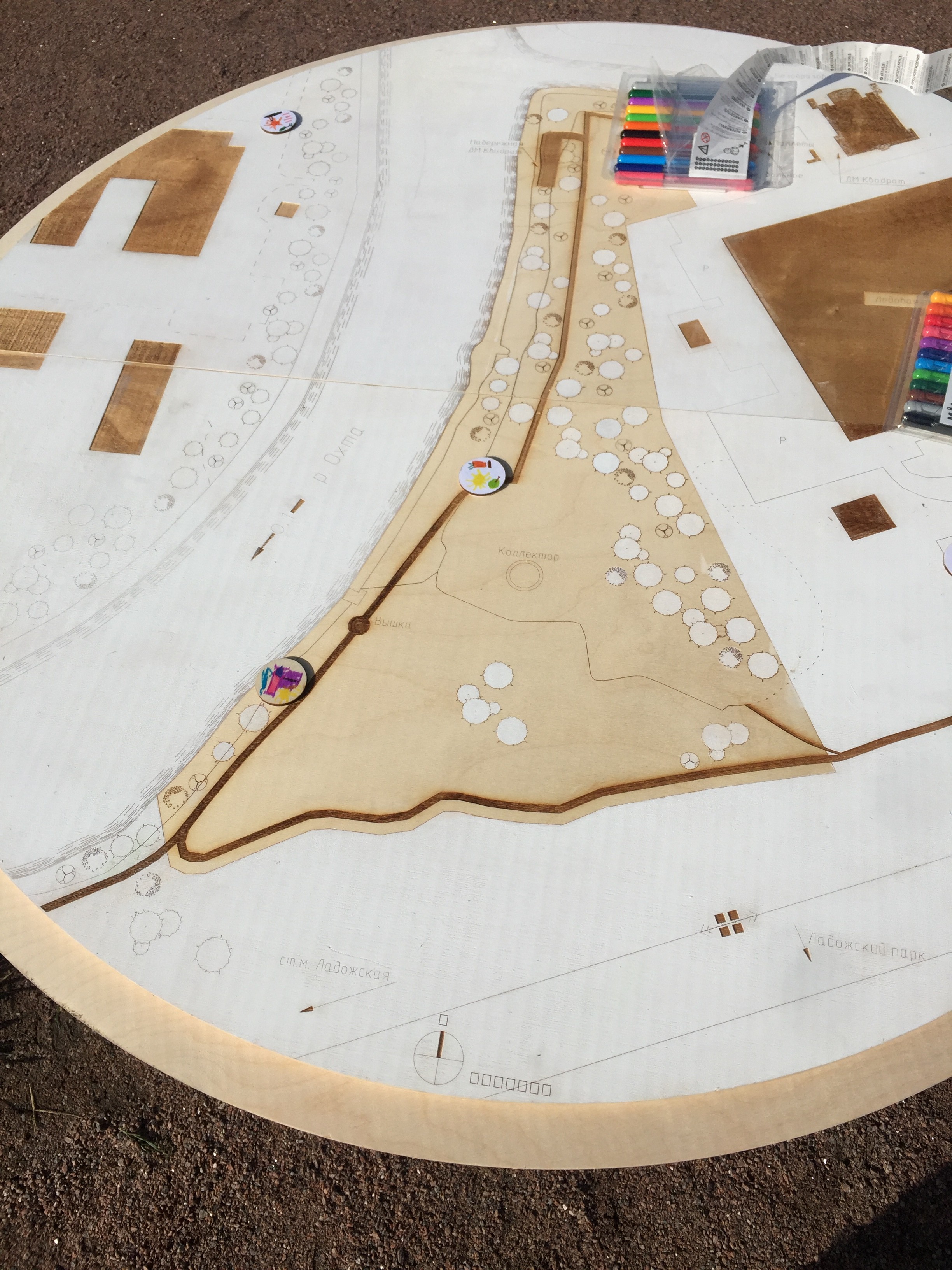
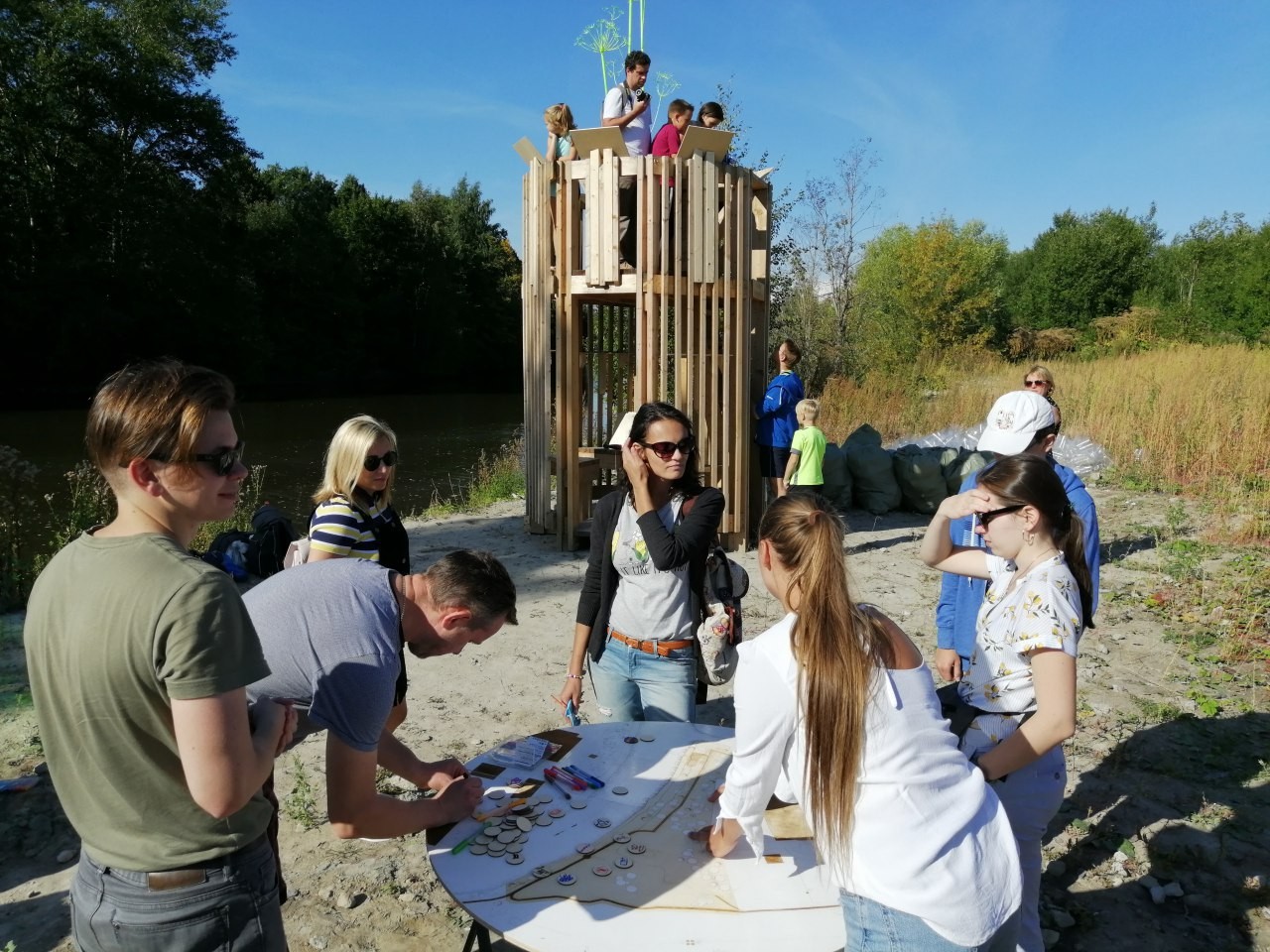
Waterfront is a participatory, research-based project exploring the relationship between cities and their coastal areas.
The project is being realised by the Consulate General of the Netherlands in St. Petersburg and Danish Cultural Institute.
While waterfronts are public spaces, their development is often shaped without the involvement of local residents, resulting in environments that do not reflect everyday needs. The project reconsiders this model by positioning citizens as active participants in the transformation of urban spaces.
The project combines artistic practice, urban research and interdisciplinary collaboration. Working in teams, we explored four sites in Saint Petersburg through field research, collecting local narratives and identifying community needs.
Based on this research, the teams developed speculative and practical scenarios for the future of these territories, proposing new forms of interaction between residents, institutions and the urban environment.
Waterfront operates as both a platform and a process, bringing together artists, architects, sociologists and local communities to rethink how public space can be collectively imagined and shaped.
Curator: Dmitry Pilikin, art historian, researcher of urban culture, employee of the Museum of Modern Art of St. Petersburg state University
Producer:
Albina Motor, the driver of art programs in the urban environment, the founder of the Street Art Research Institute.
Organizers of the exhibition: the Street Art Research Institute the Danish Institute of Culture in St. Petersburg
Thought 688: Mini Opera
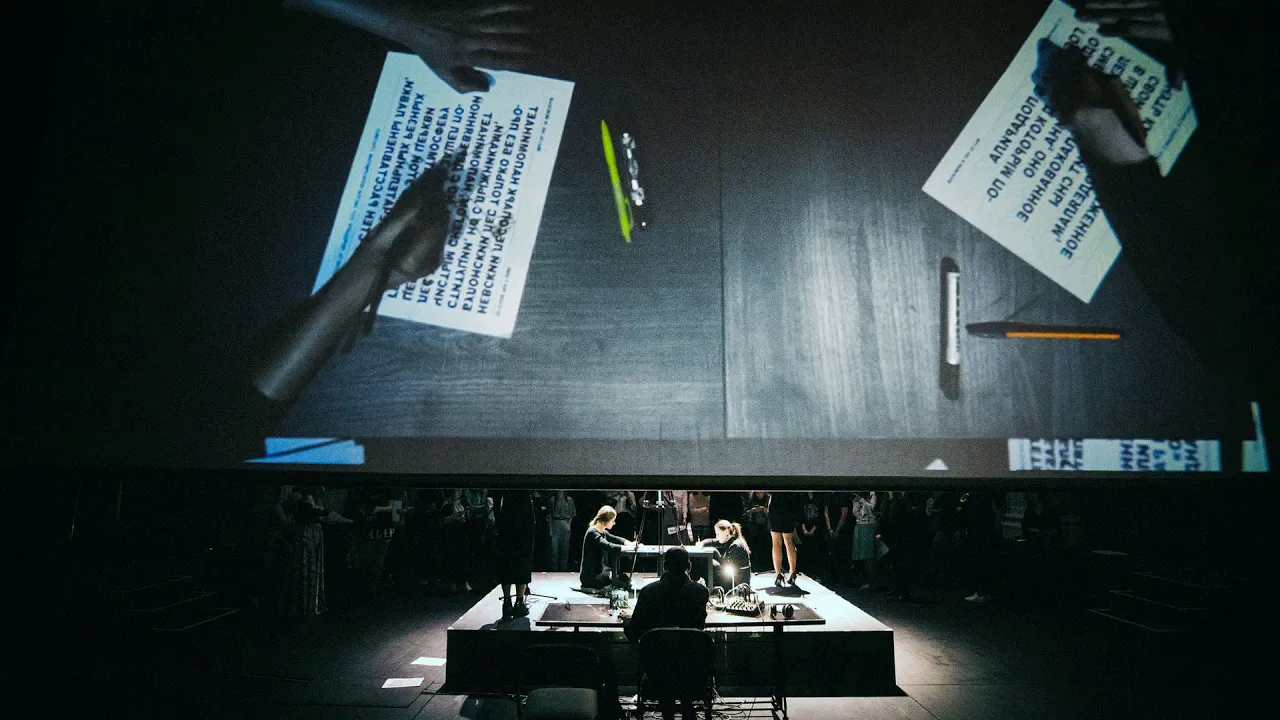
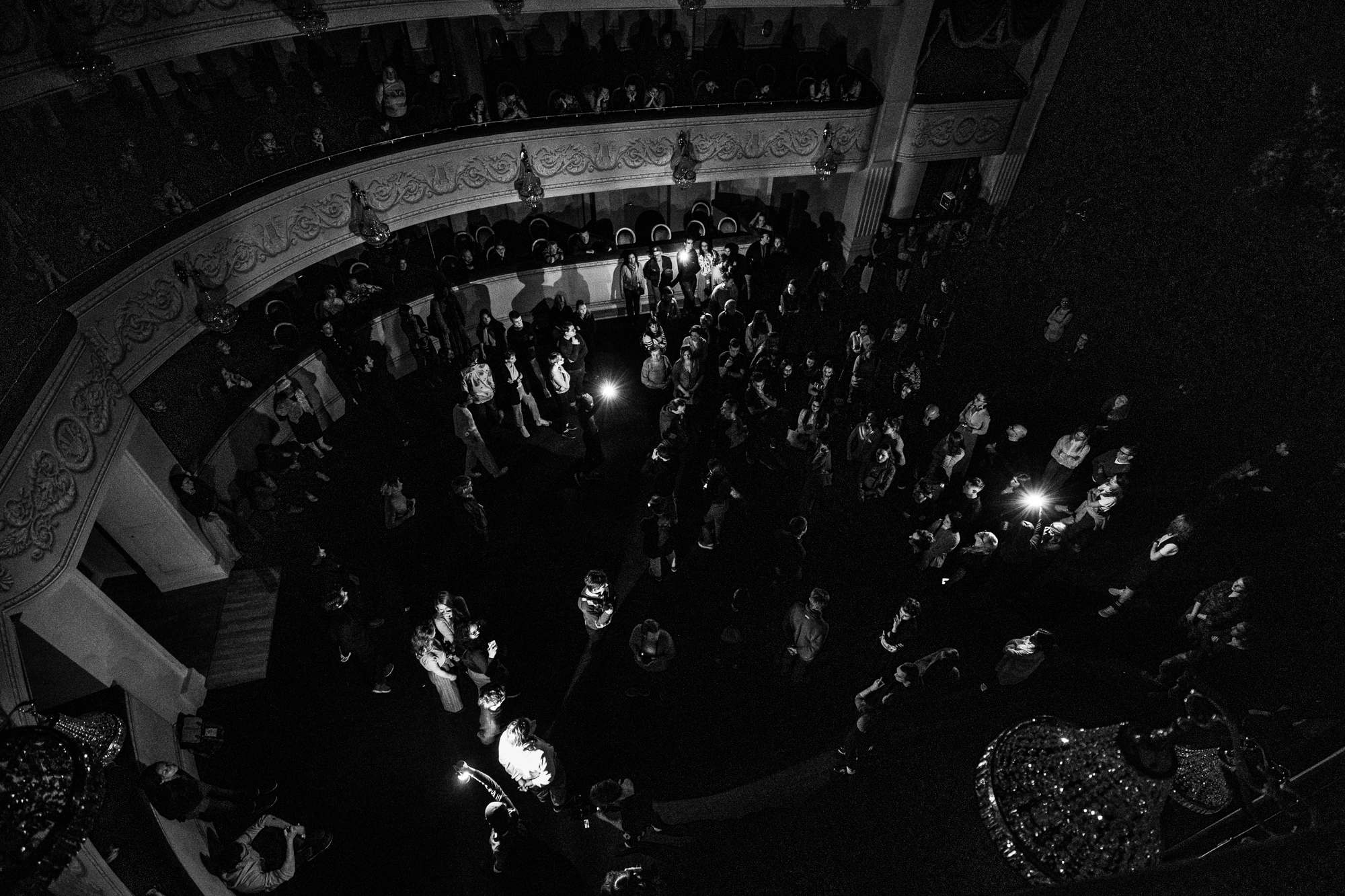
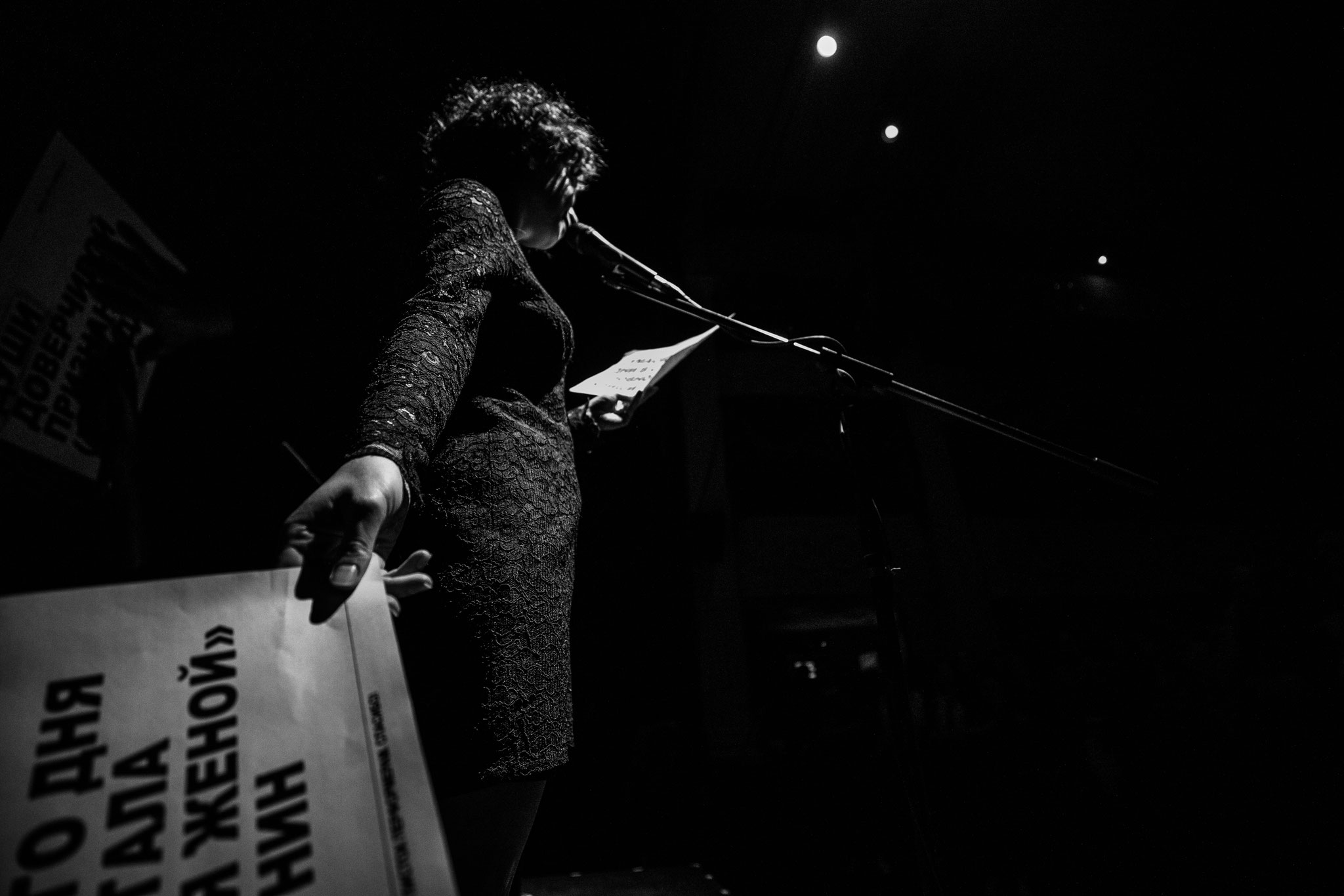
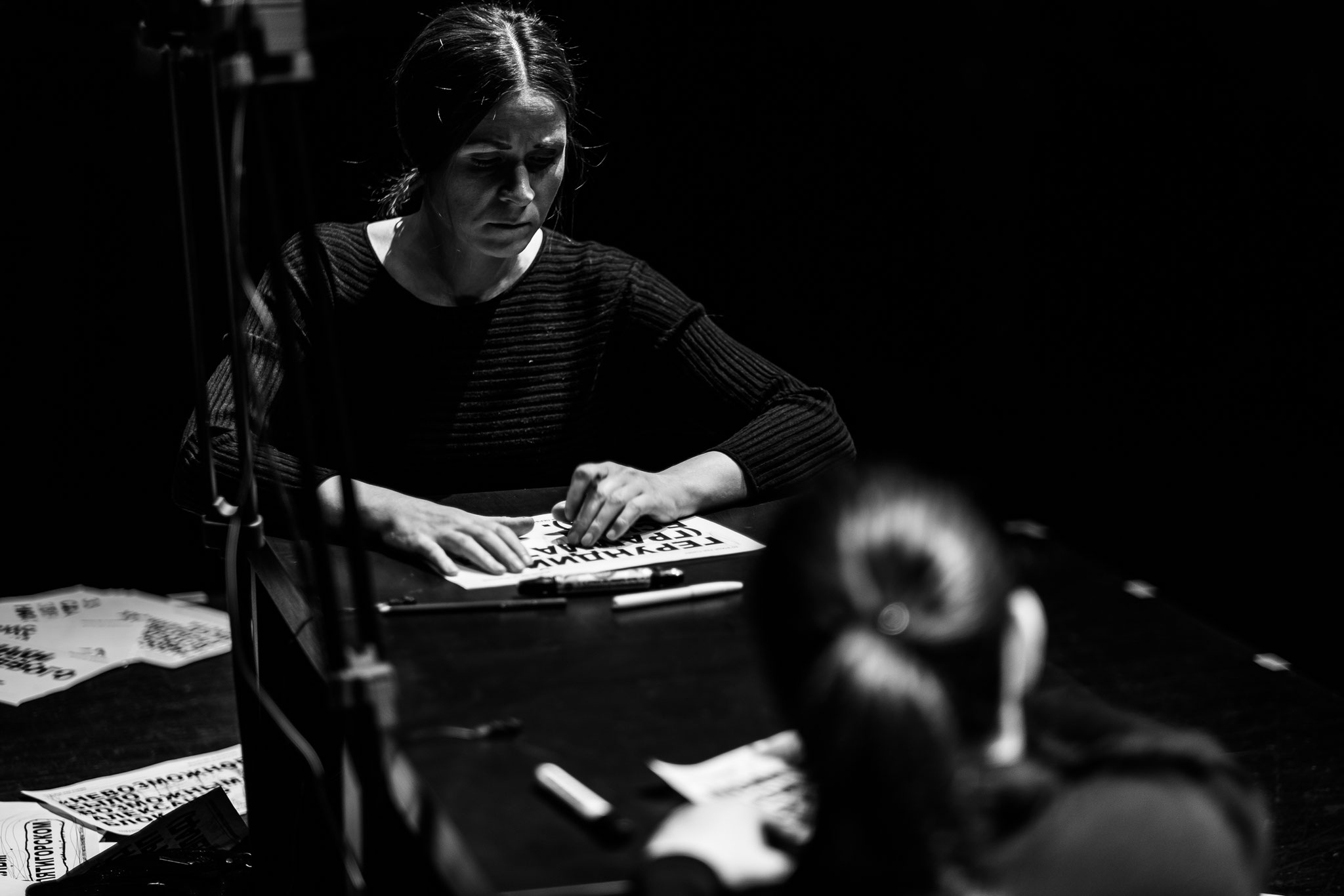
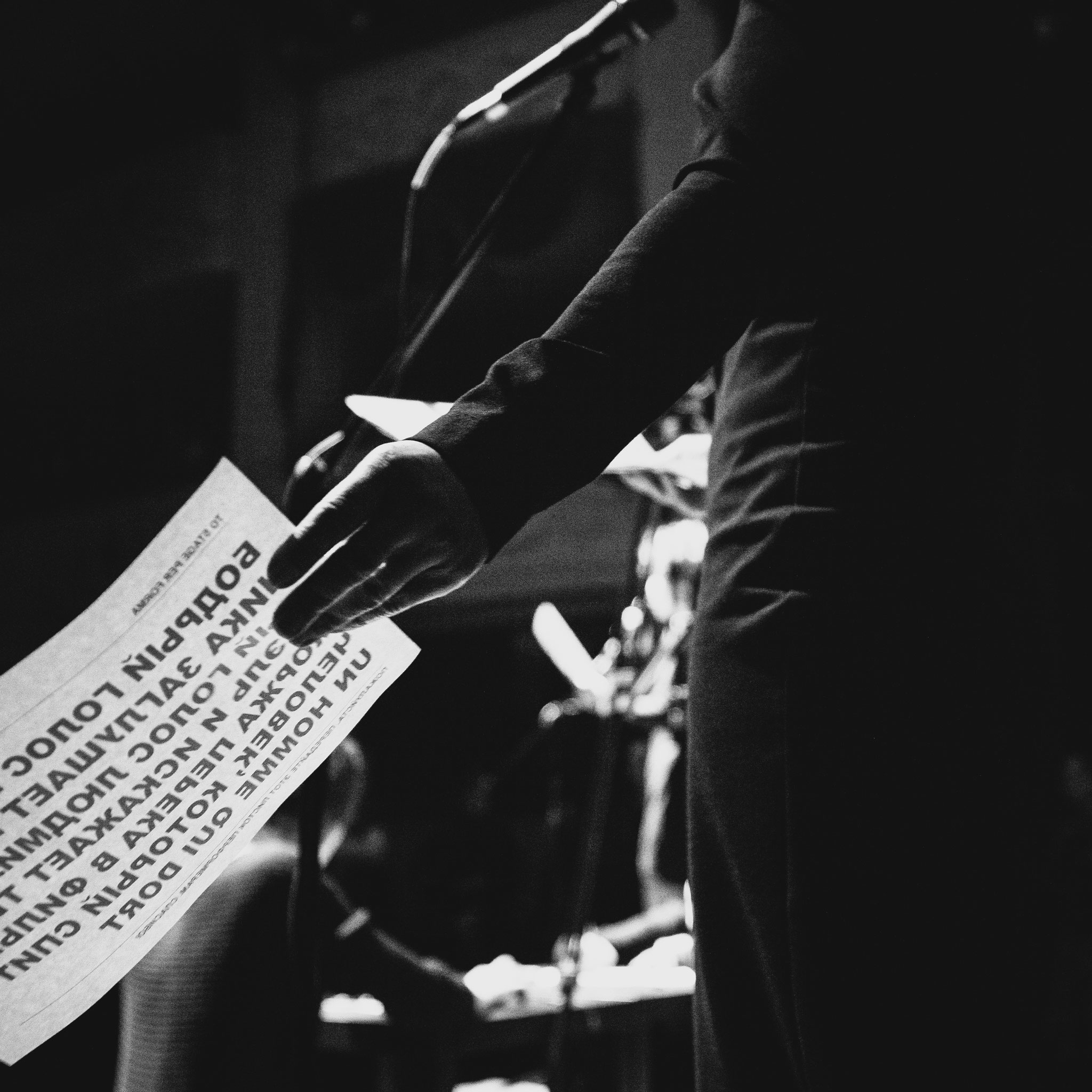
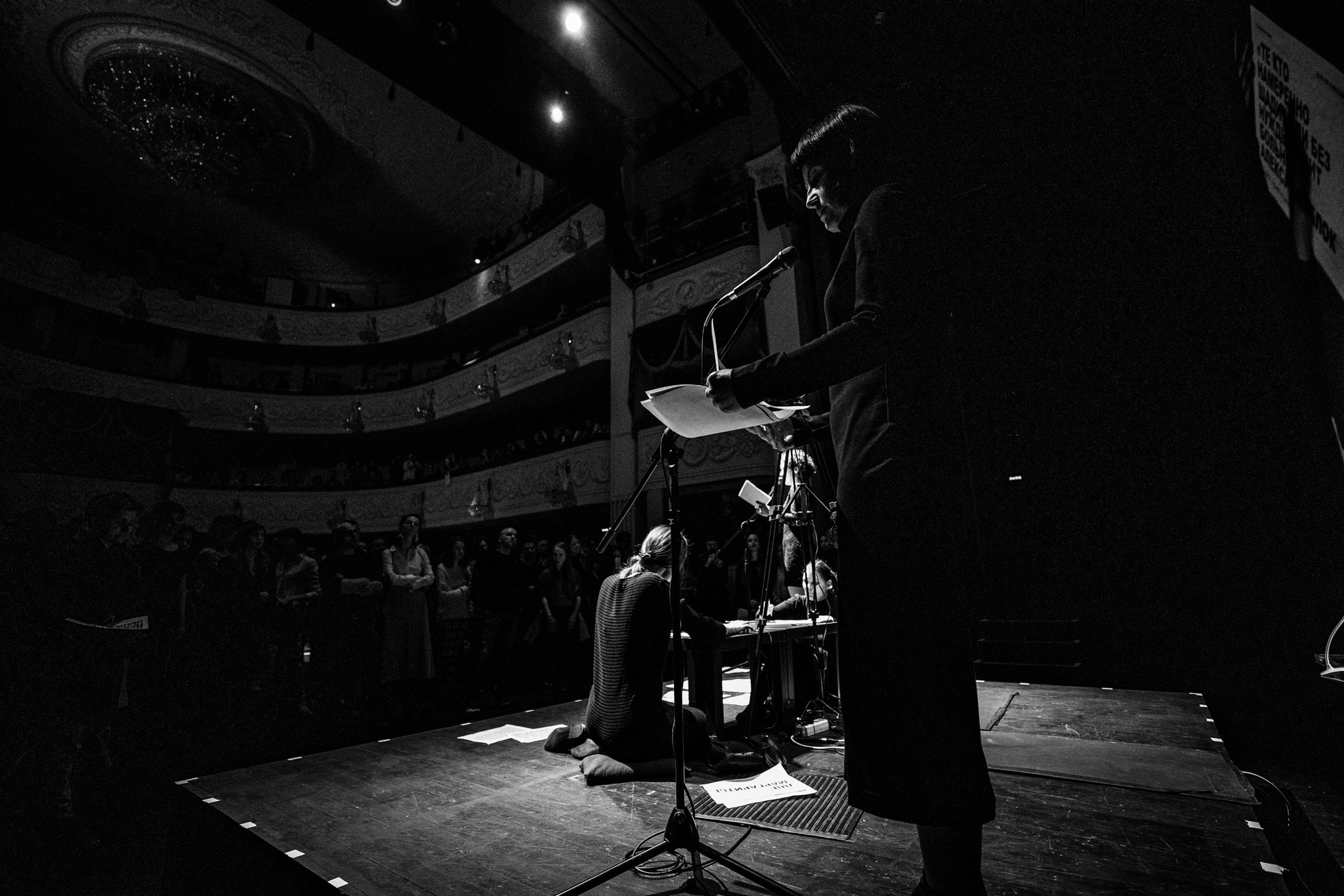
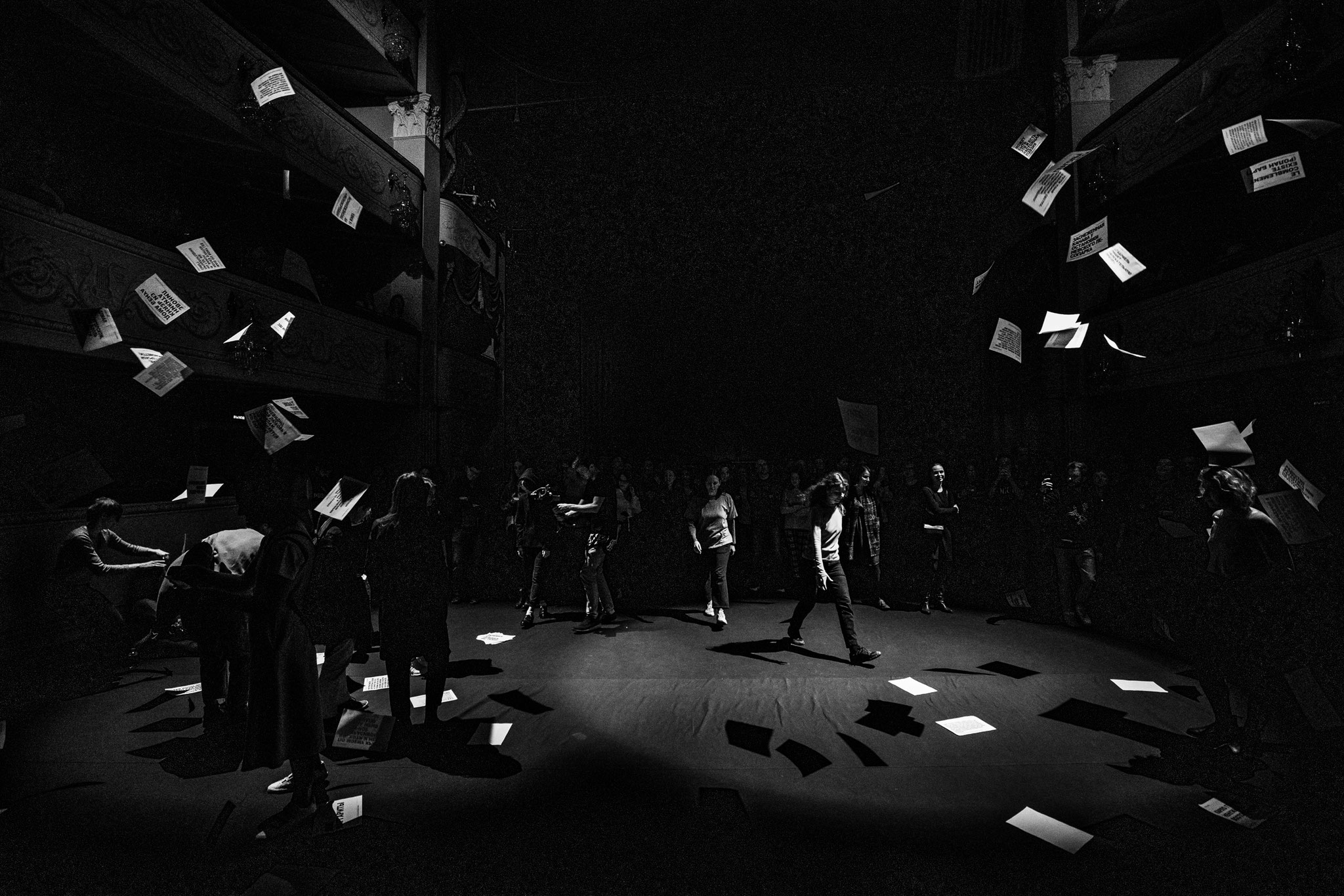
“THOUGHT 688” is a mini-opera based on a work by Alexander Ilyanen.
Events of the past coexist in our memory simultaneously and can always be “reassembled” into a new sequence. The libretto of the mini-opera is therefore constructed through storytelling by the audience themselves, who, during the performance, “reassemble” the literary text into an entirely new work.
As Roland Barthes wrote, “we do not aim to find a single meaning, nor even one of the possible meanings of a text. Our goal is to think, imagine, and experience the plurality of the text, the openness of the process of signification.”
However, beyond their conceptual meanings, writing and text also possess very tangible physical dimensions expressed through sound. In this mini-opera, these sonic aspects become just as essential to the generation of the text as its linguistic component.
The processes of writing and the meanings embedded in the literary work are represented through the tempo of writing, the timbres created by the interaction between instrument (pencil, marker, etc.) and surface (paper, wood), and the vocal intonations that speak or sing the text in sequences determined by the audience.
Curator: Vera Martynov within the framework of PERFORMA project
Performed by:
Svetlana Arzumanova / Julia Kravchenko / Nadezhda Fedotova / Margarita Borisova-Lebedeva
In collaboration with: Ekaterina Lopatina / Dmitry Shubin
Place: Tovstonogov Bolshoi Drama Theater
Publication & Documuntation
Dark Ordovician: what will be born in the Radon Lakes?
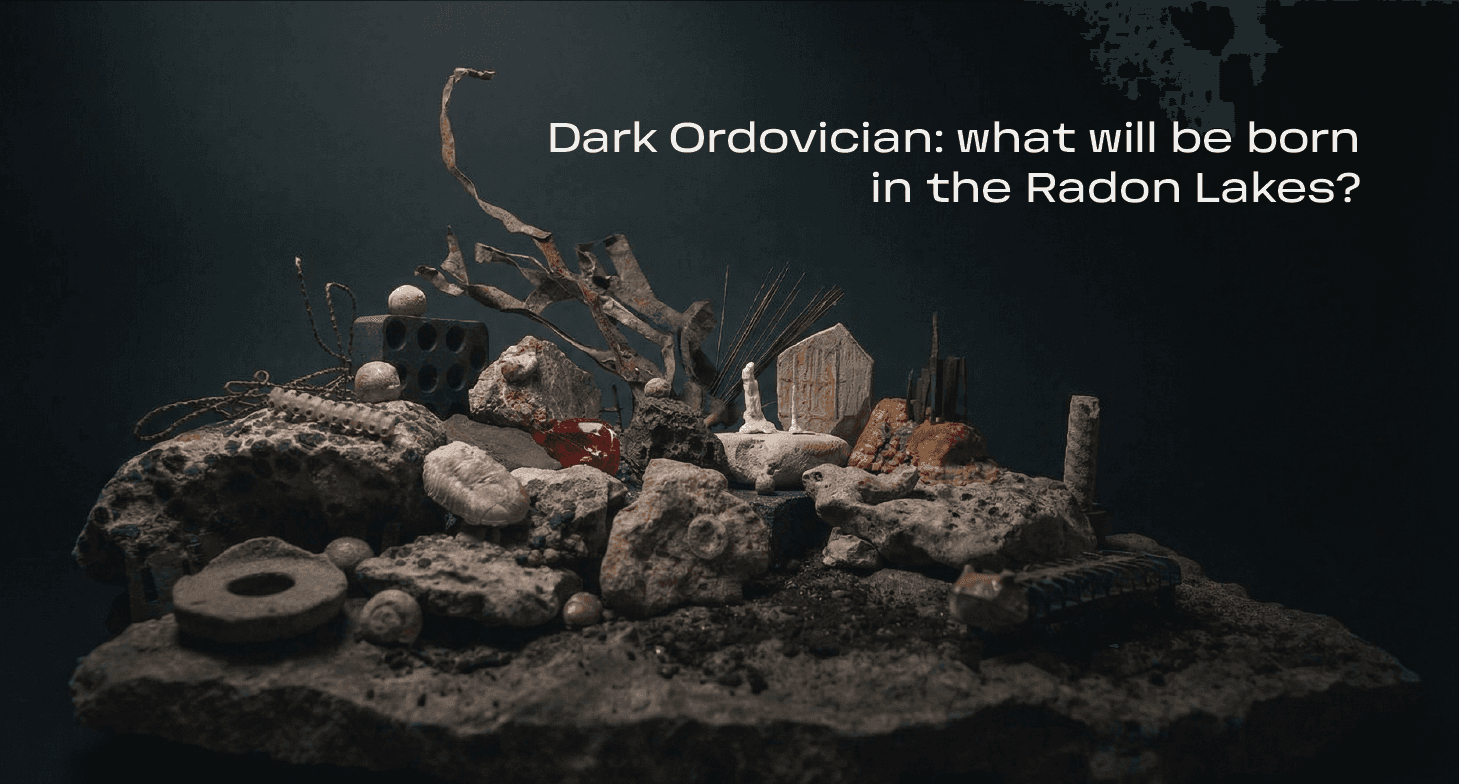
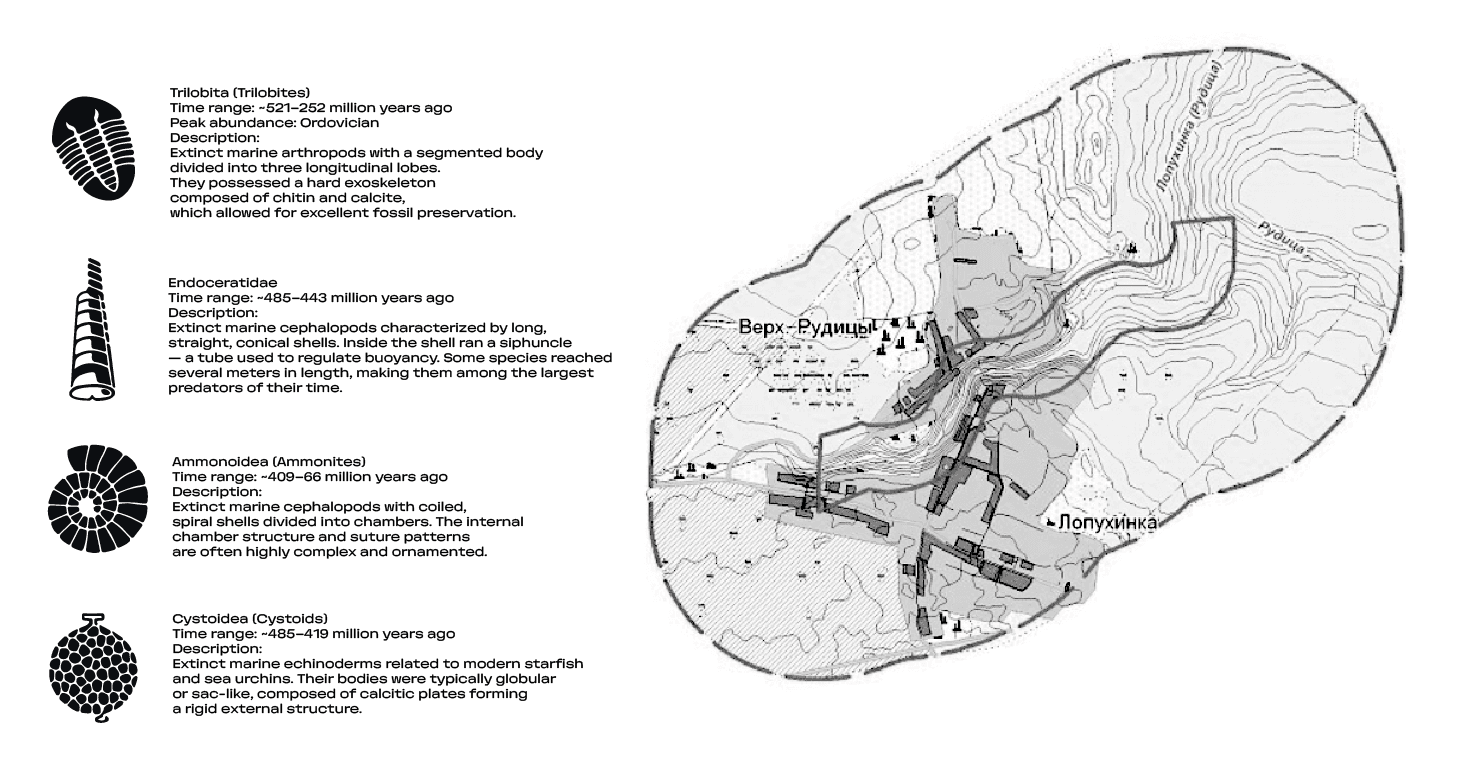
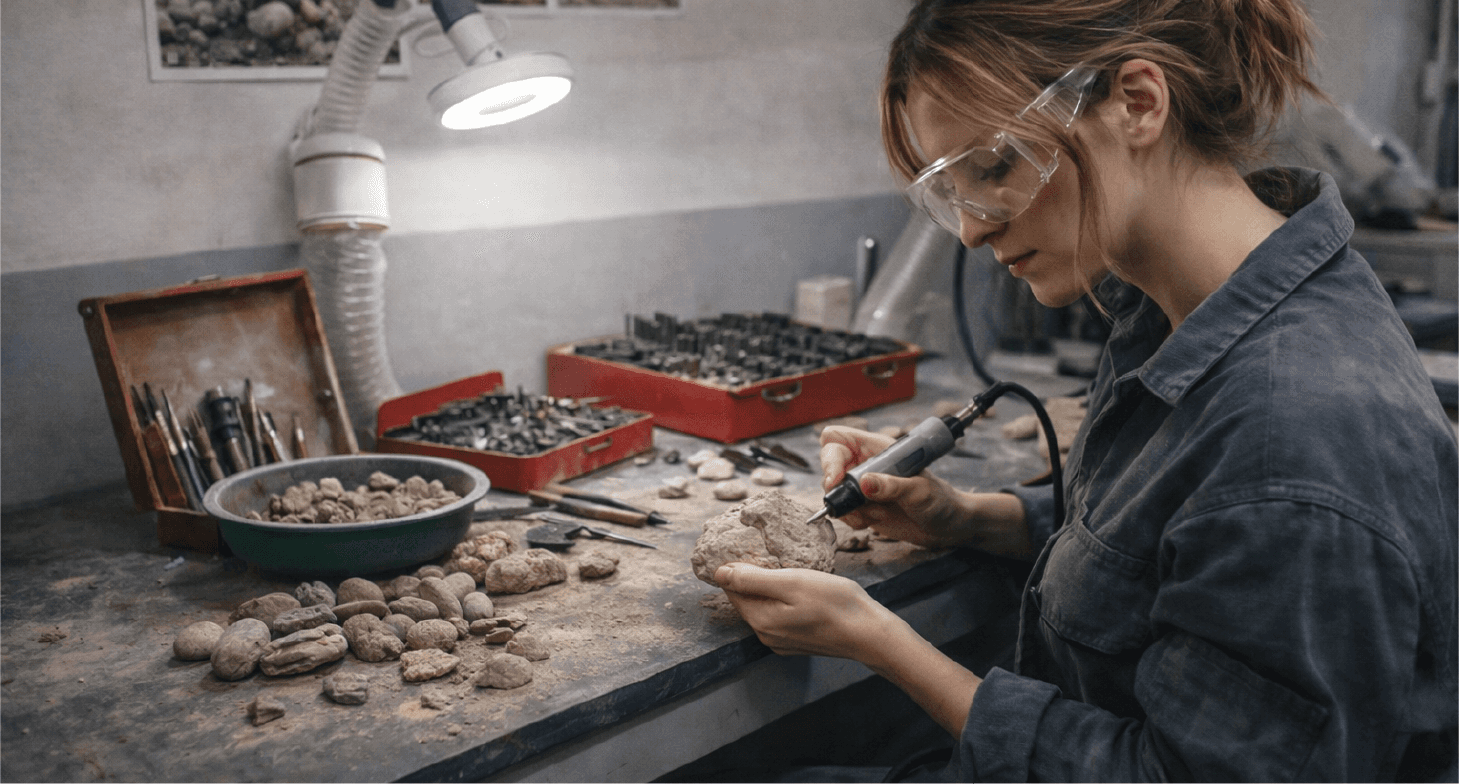
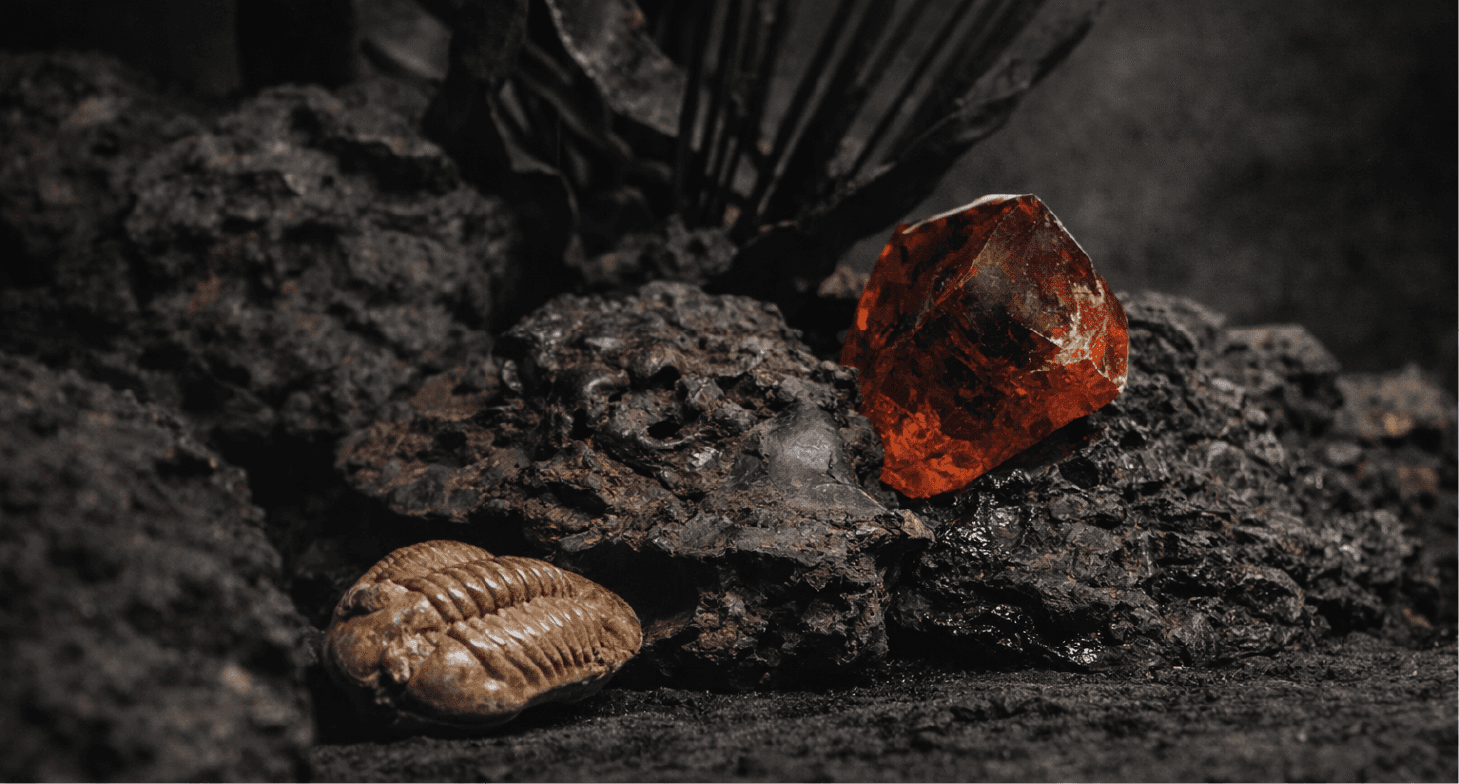
The installation represents a kind of "new" cultural layer: a relief of the seabed on which construction debris is adjacent to fossils. The issue of this hyperobject brings us to the question of priorities. On the one hand, the influence of the Anthropocene leads to the death of living organisms, on the other hand, it serves to give rise to new life.
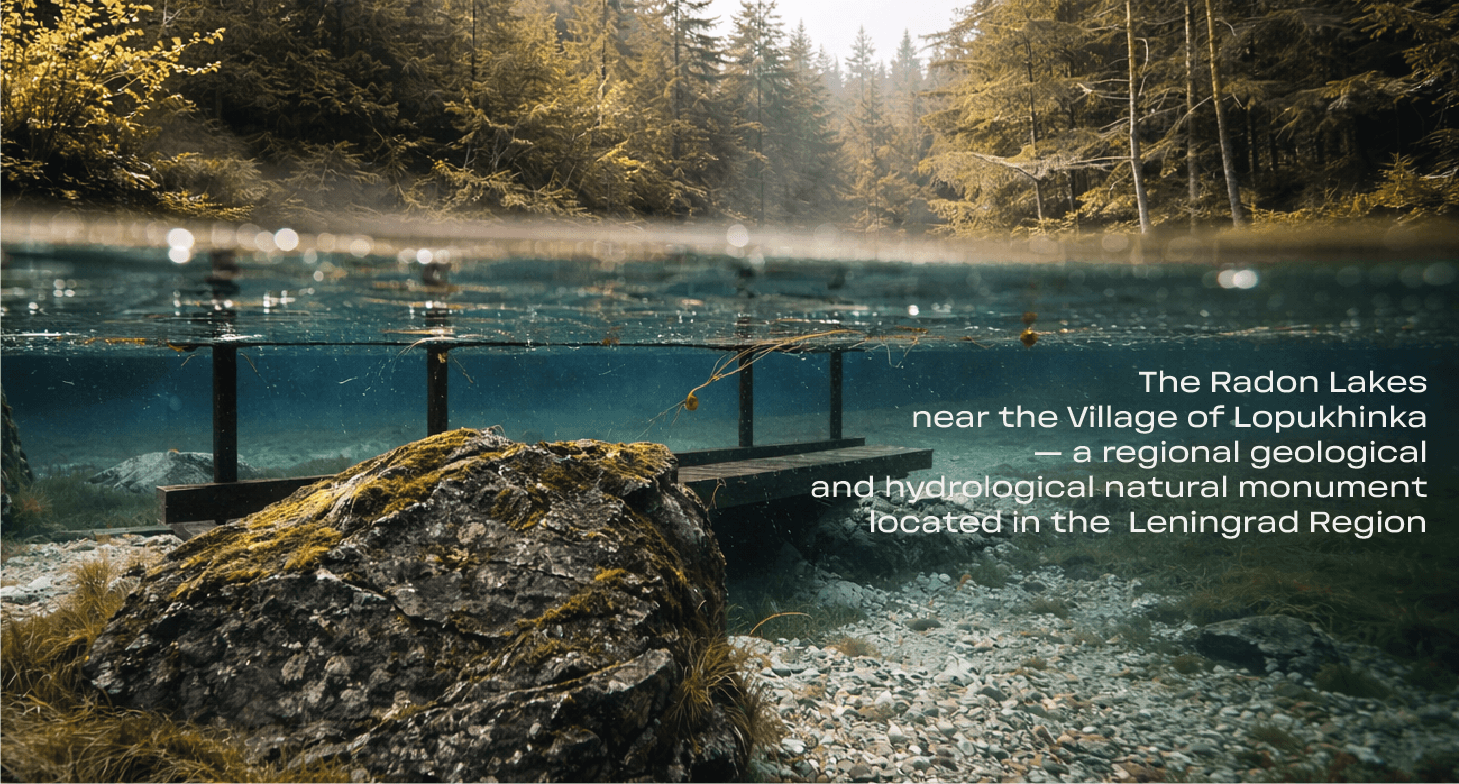
These trilobites and other fossils have been collected from the Radon Lakes. The uniqueness of these lakes is in the high content of radon gas, which means that organic life is impossible in the water.
But people havepolluted these lakes. Now microorganisms and algae appear in them, which were not there before. Nature, its forces and laws, is much larger, stronger and more chaotic than we imagine. Even technogenic processes are part of the ecosystem, part of Nature.
Scientific supervisor of the project: Ippolit Markelov
Scientific advisor of the project:
Andrey Yuryevich Yakovlev
In collaboration with: Irina Koroleva
Publication & Documuntation
Terms of interpretation
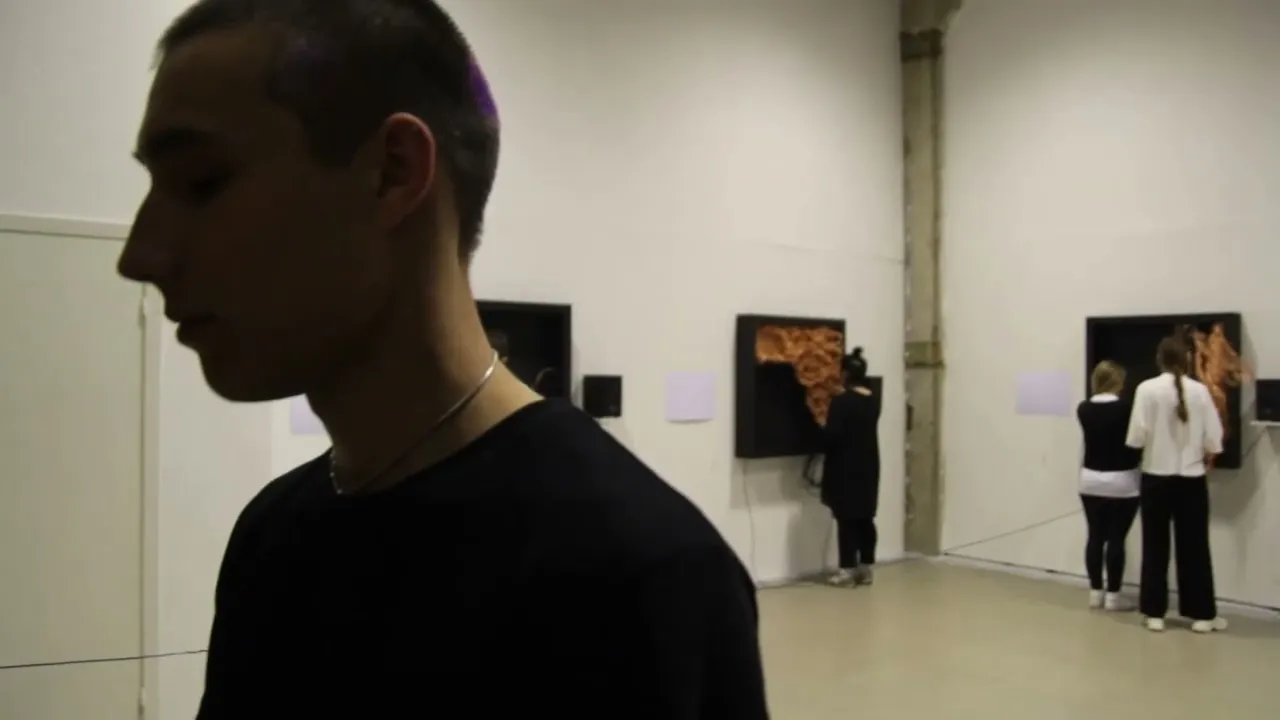
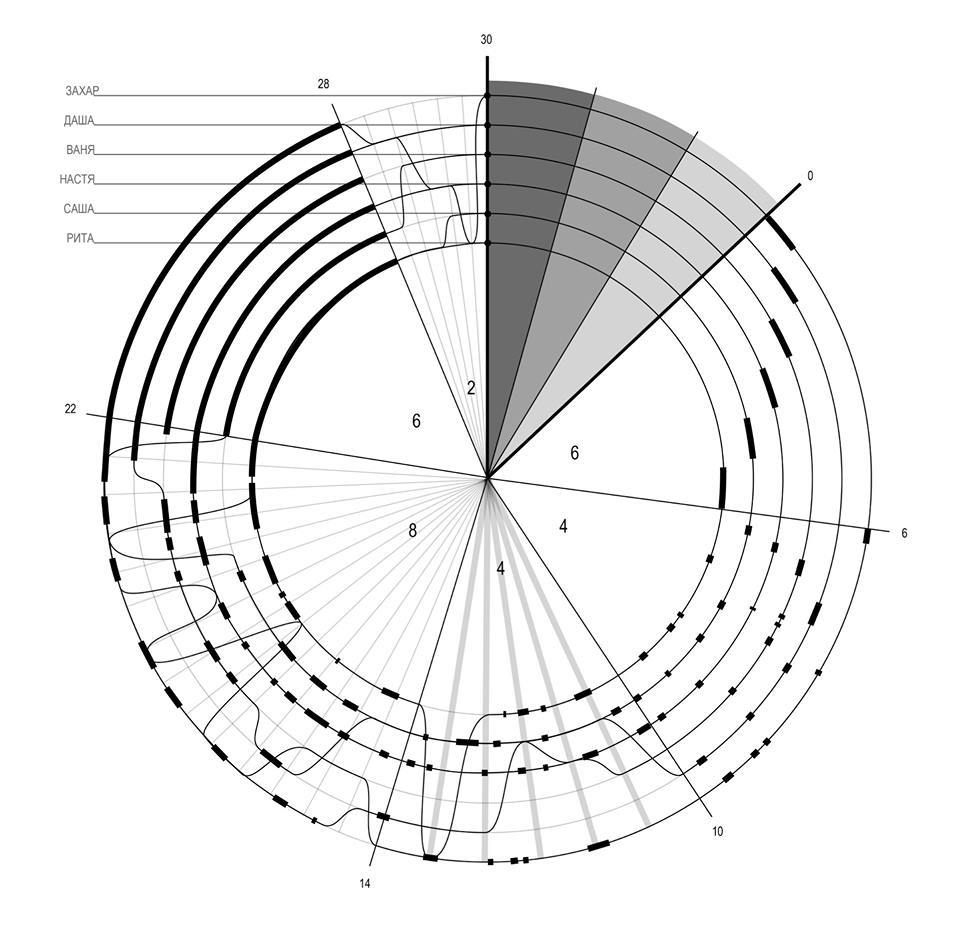
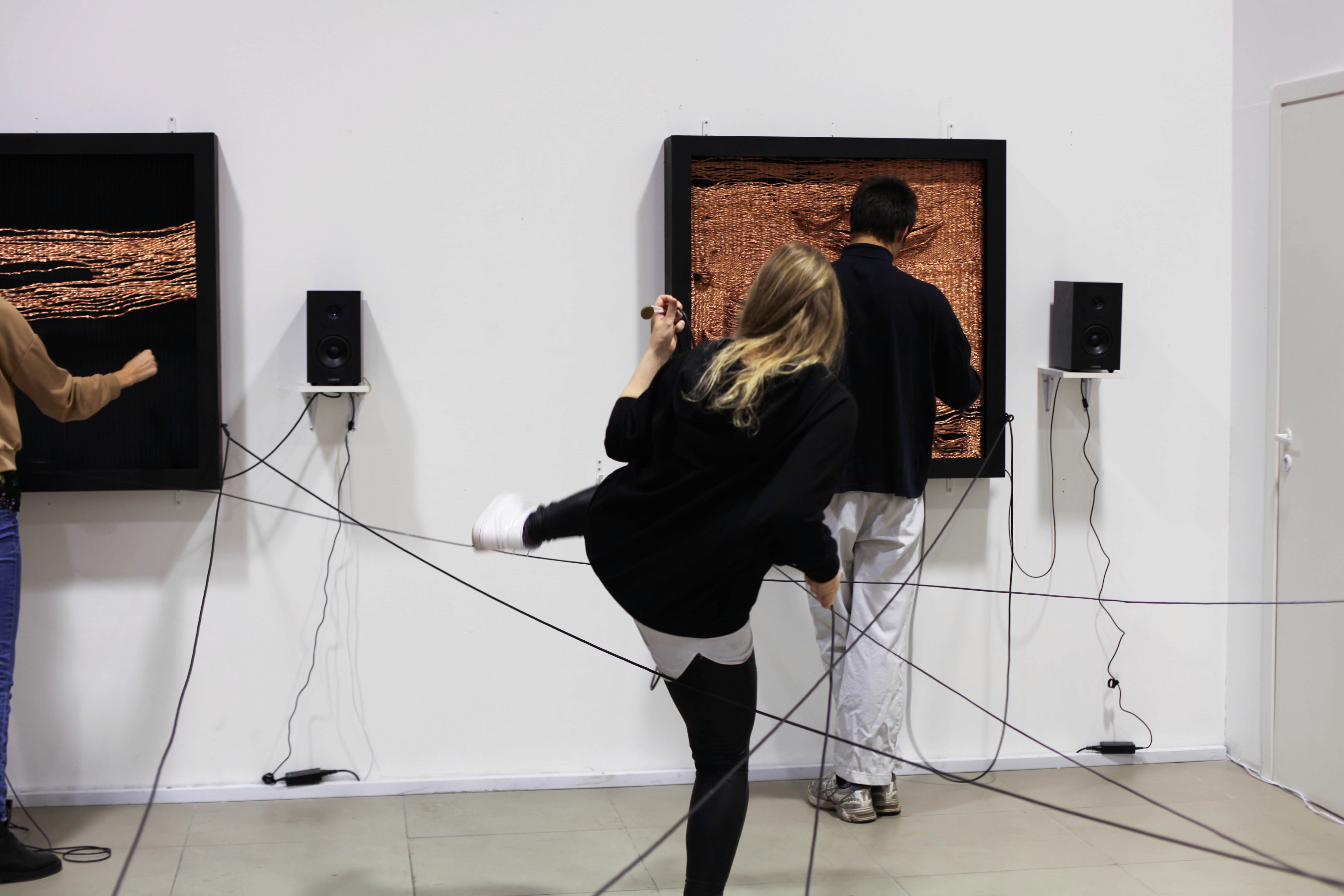
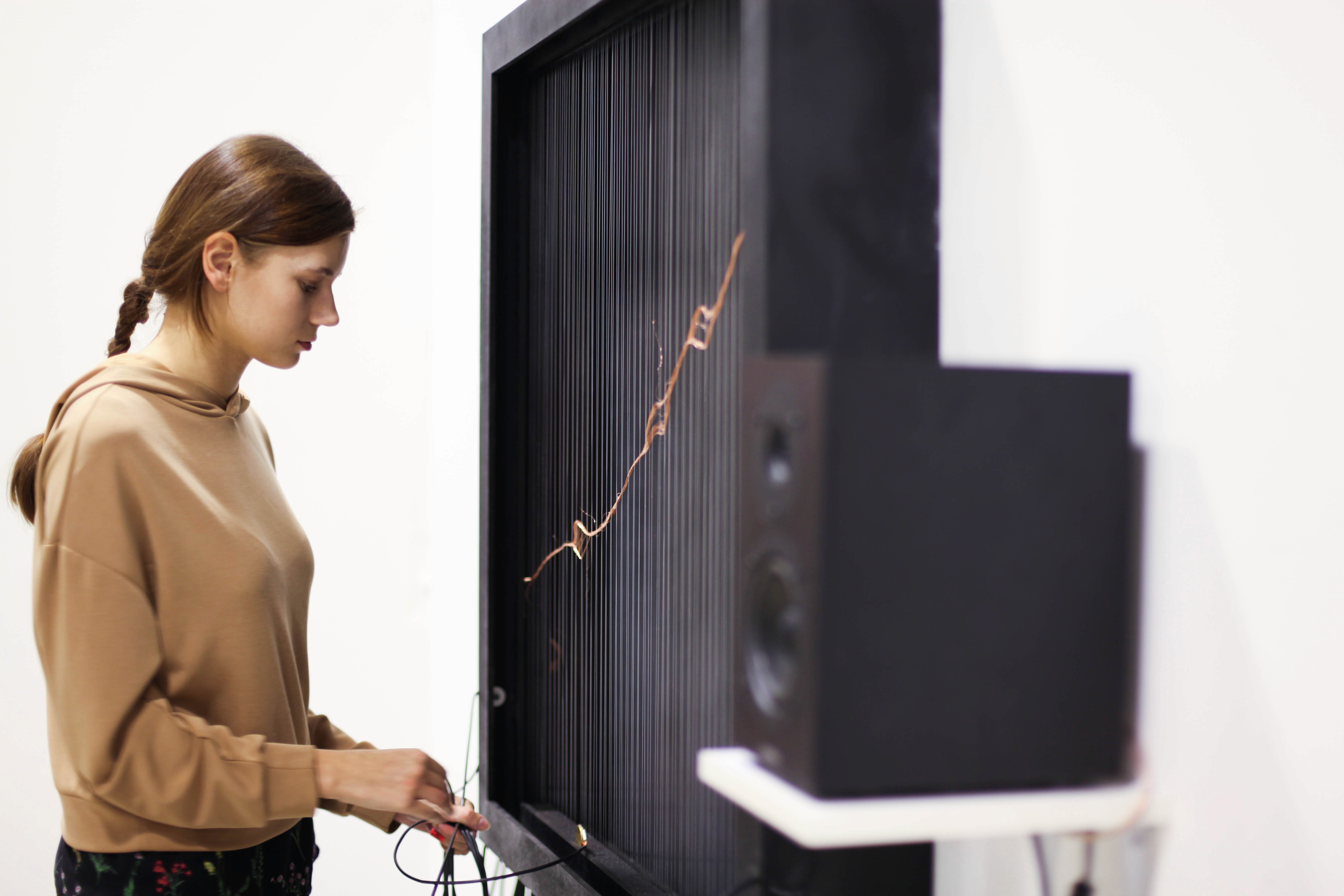
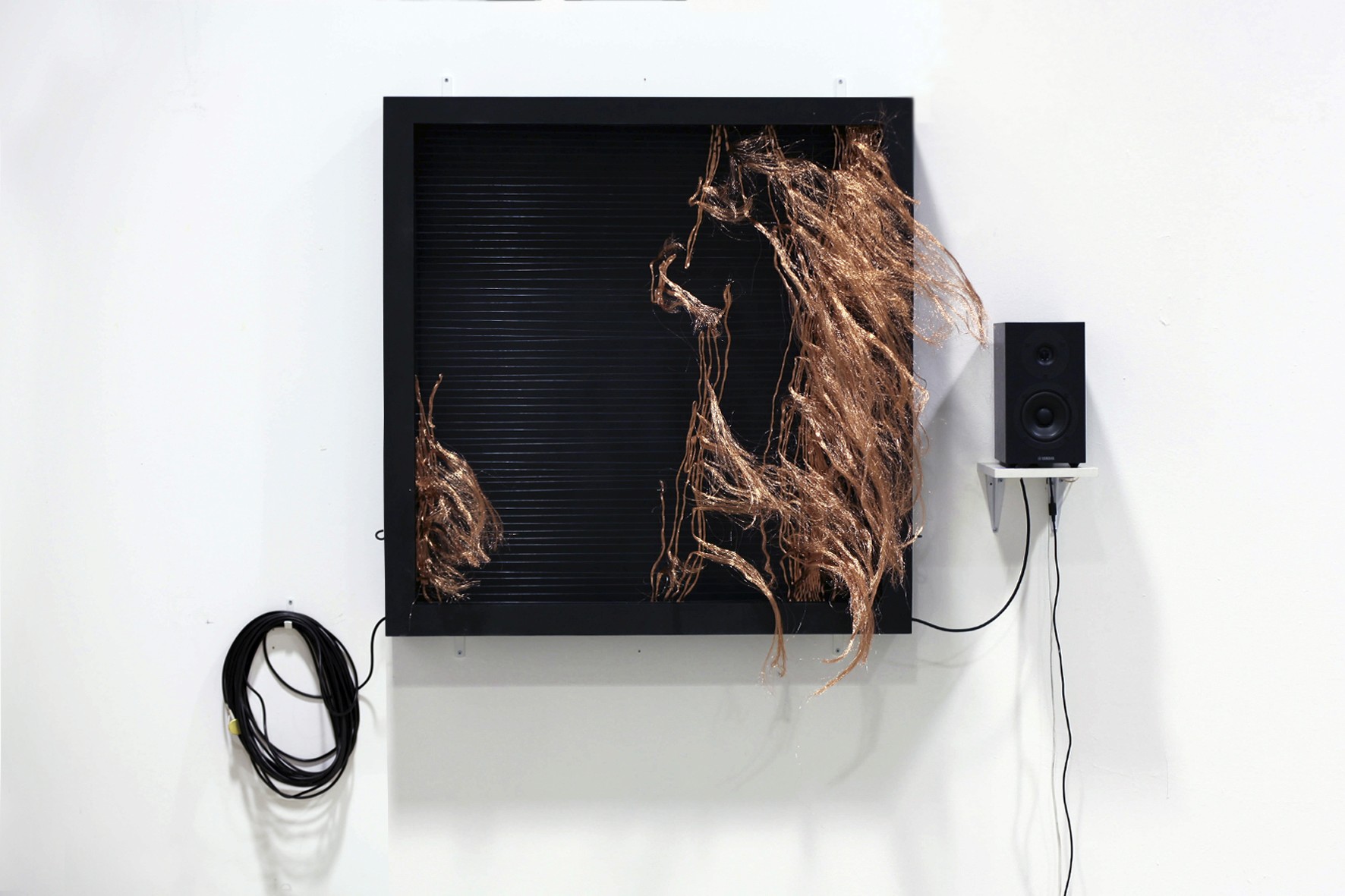
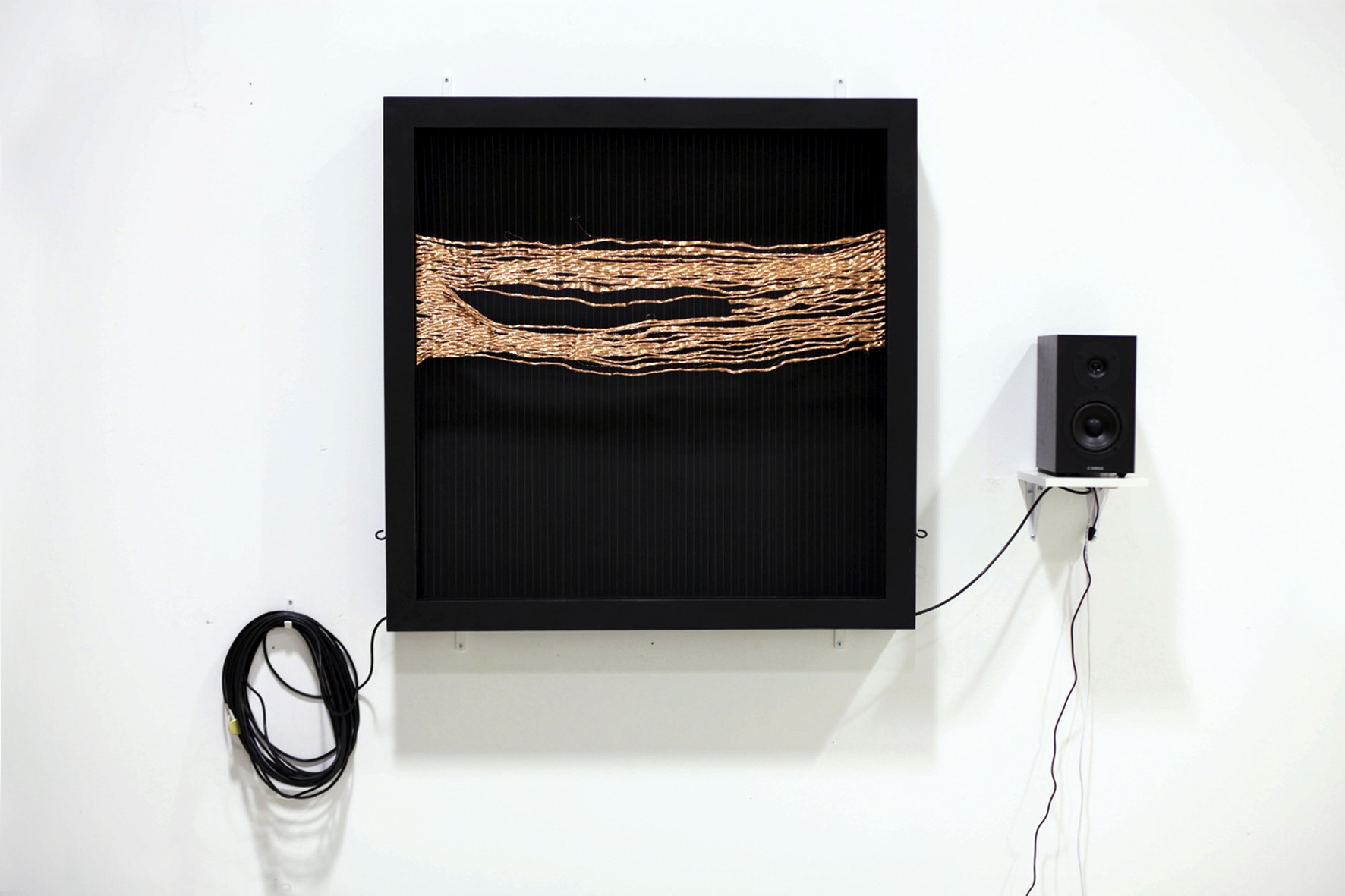
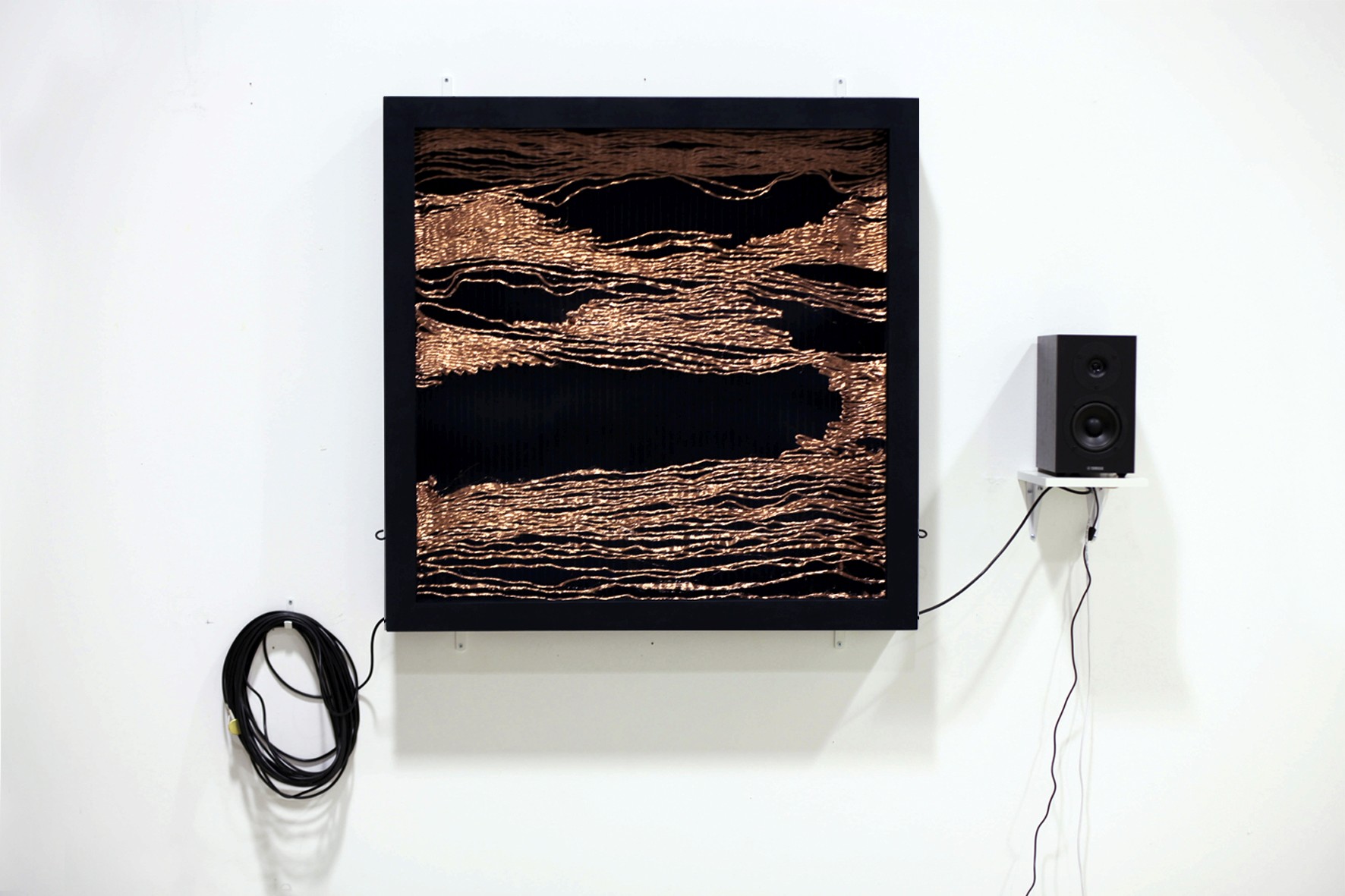
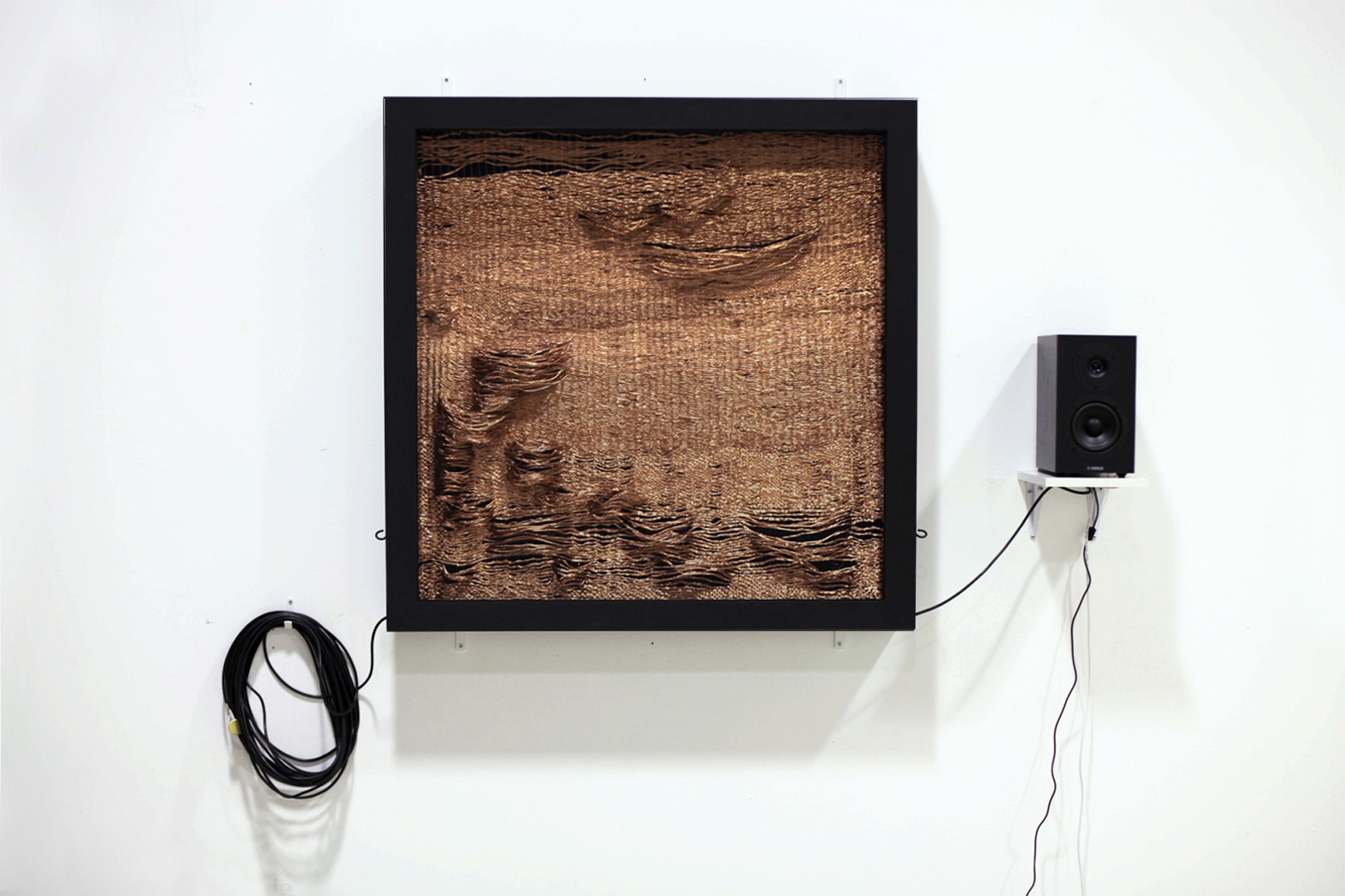
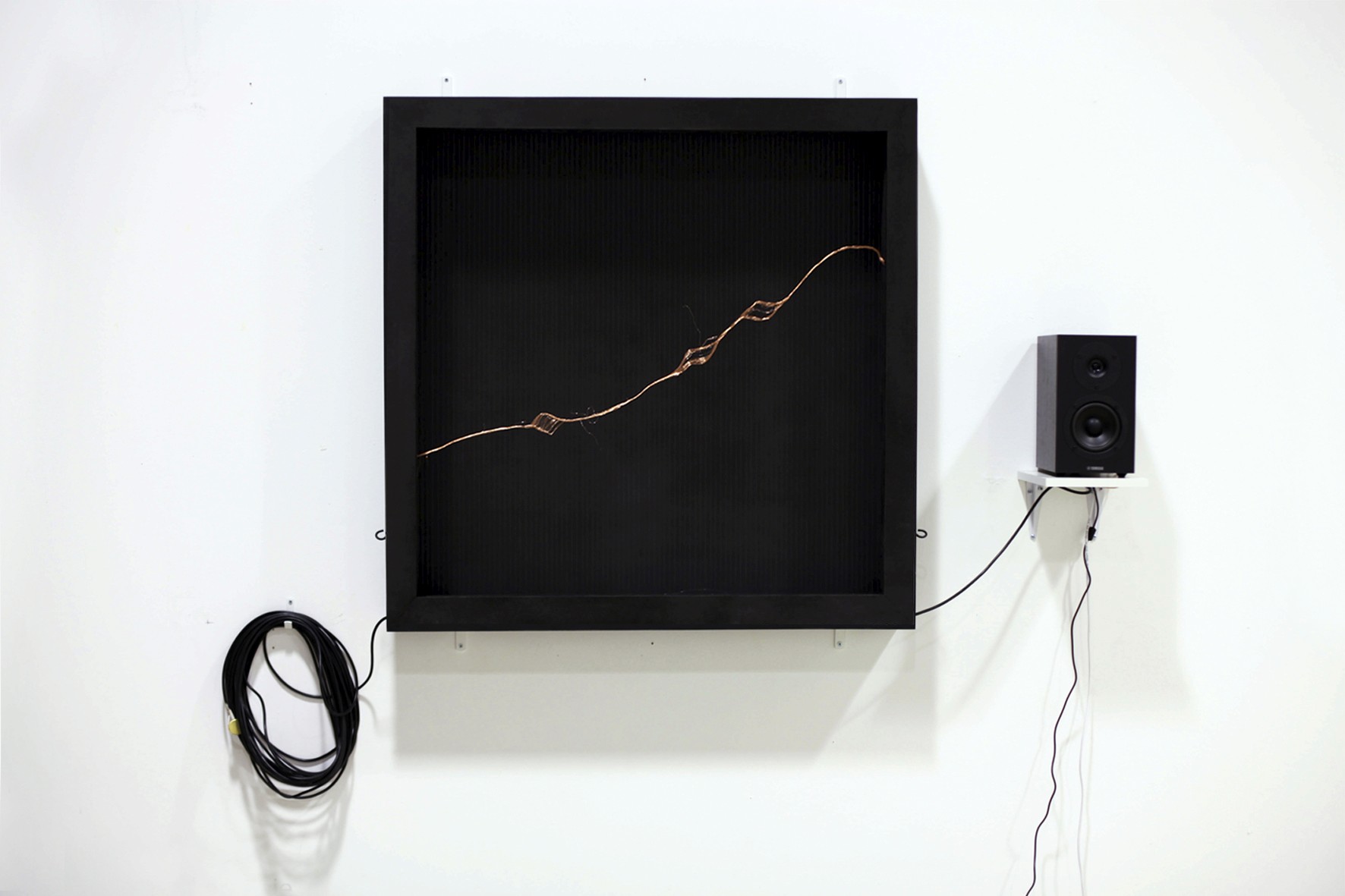
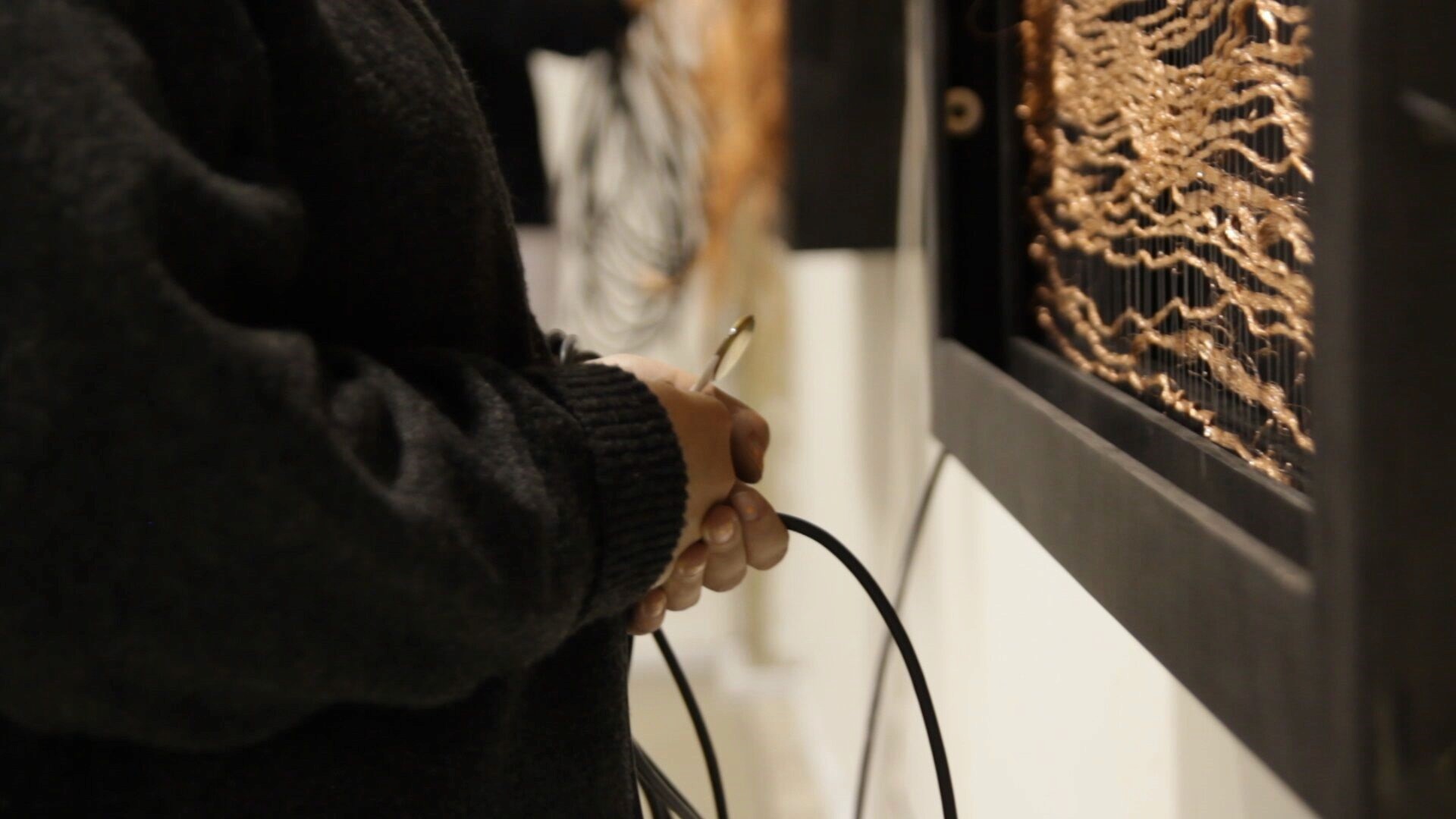
The idea of performance is the possibility of self-research and raises the question of self-identification and the situation of abandonment of the border between man and his image in society.
The idea of performance is the possibility of self-research and raises the question of self-identification and the situation of abandonment of the border between man and his image in society. Interpretation in this context is a translation from one language to another, which is carried out outside the obvious reality in the language of artistic practices.
In this performance the interpretation of the first level is the text: the actor creates a text document using the method of psychoanalytic
play. The second level interpretation is a visual object: the artist creates a visual object on the basis of a text document. The interpretation of the third level is the sound: on the basis of the visual image, the characteristic sound of each module is created. The sequence of reincarnations stops at the sound. Through the experience of sound communication during performance we can achieve a release from the levels of interpretation. The performer goes out of the circle.
Curators: Alexandra Ominina / Marina Alvitr
In collaboration with: Anna Martynenko
Publication & Documuntation
Rave for moths
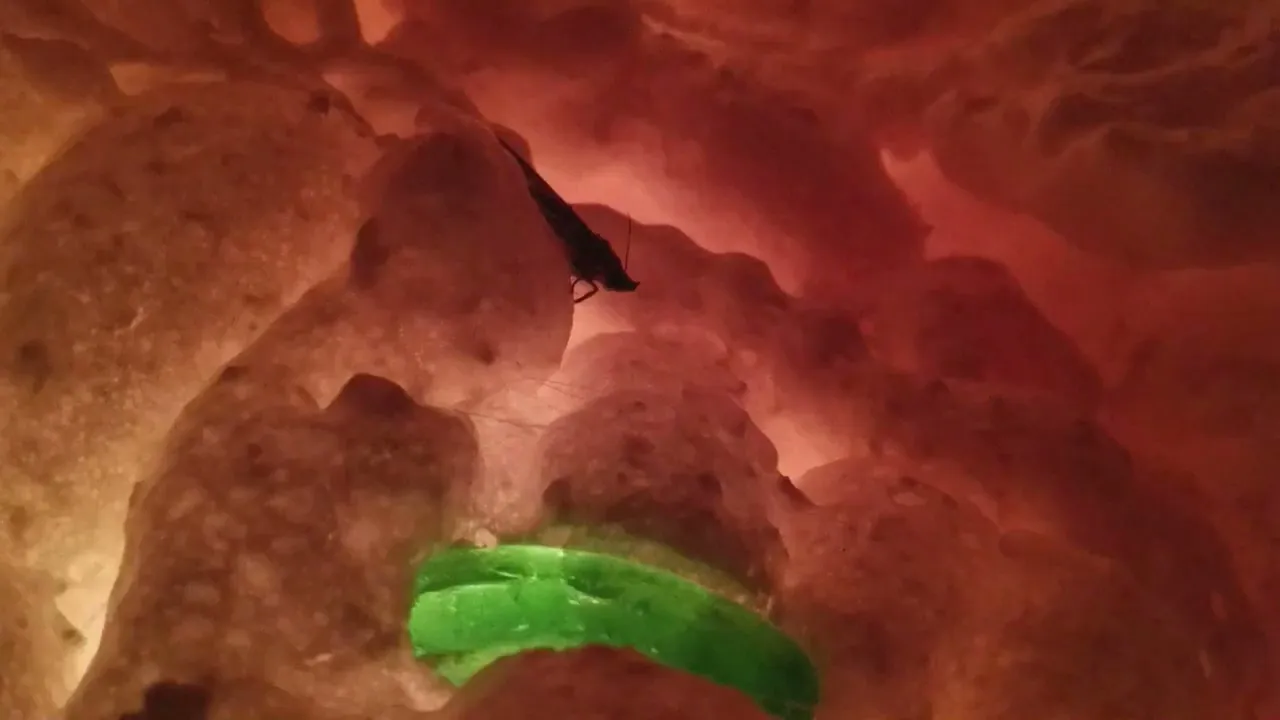
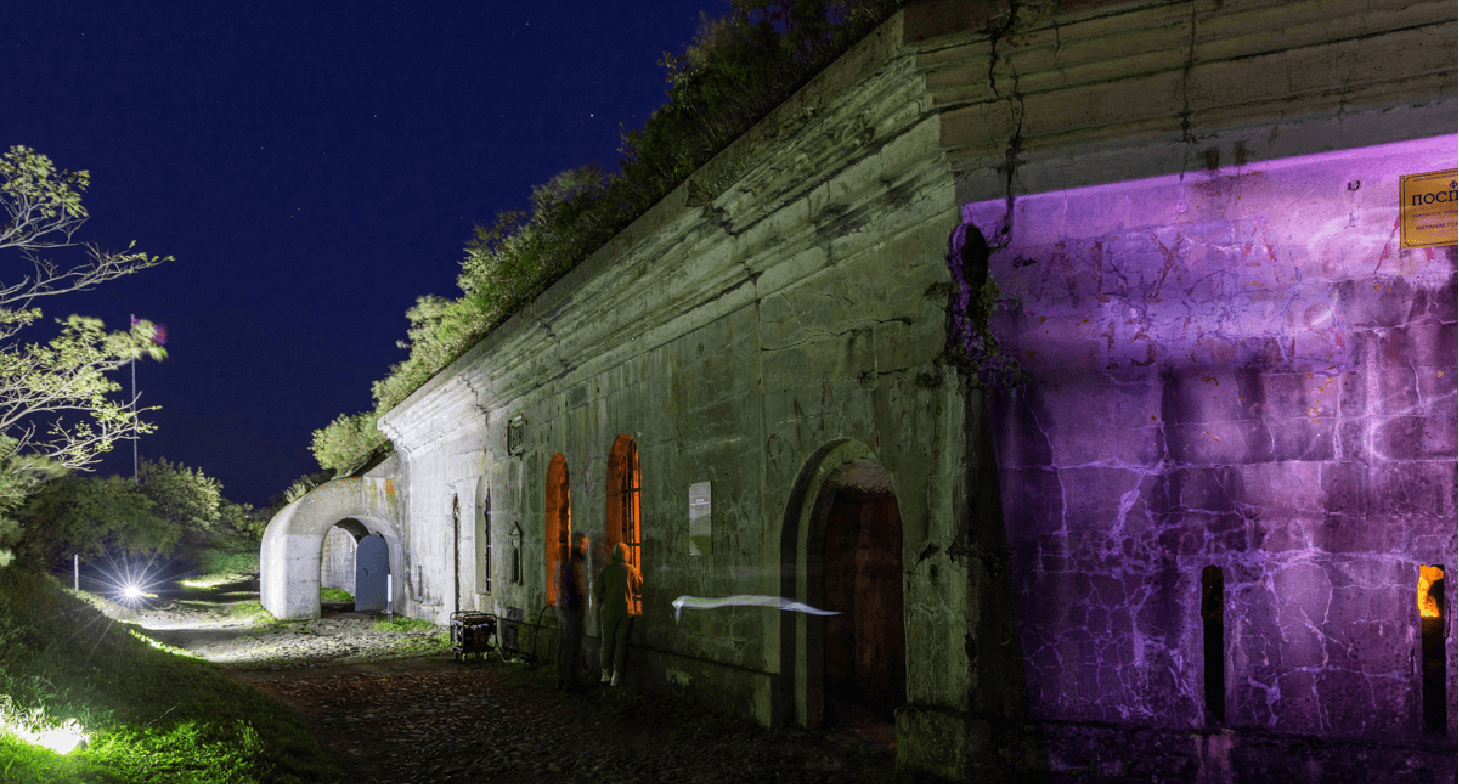
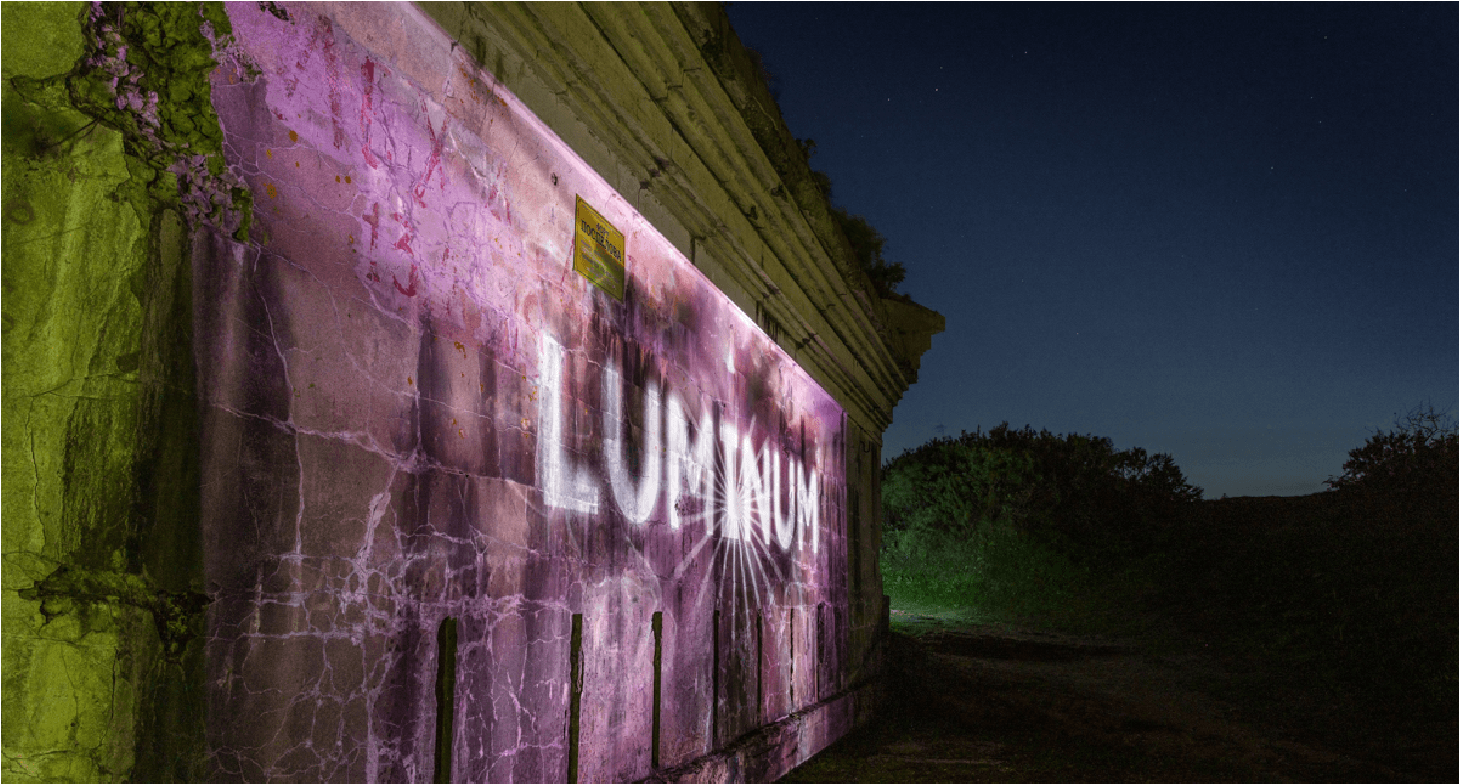
Rave for Moths is a site-specific installation developed in the abandoned coastal forts of Vladivostok — military structures built in anticipation of the Russo-Japanese War, yet never fully used. These architectures of potential violence now stand as relics of a conflict that was prepared for but never realized.
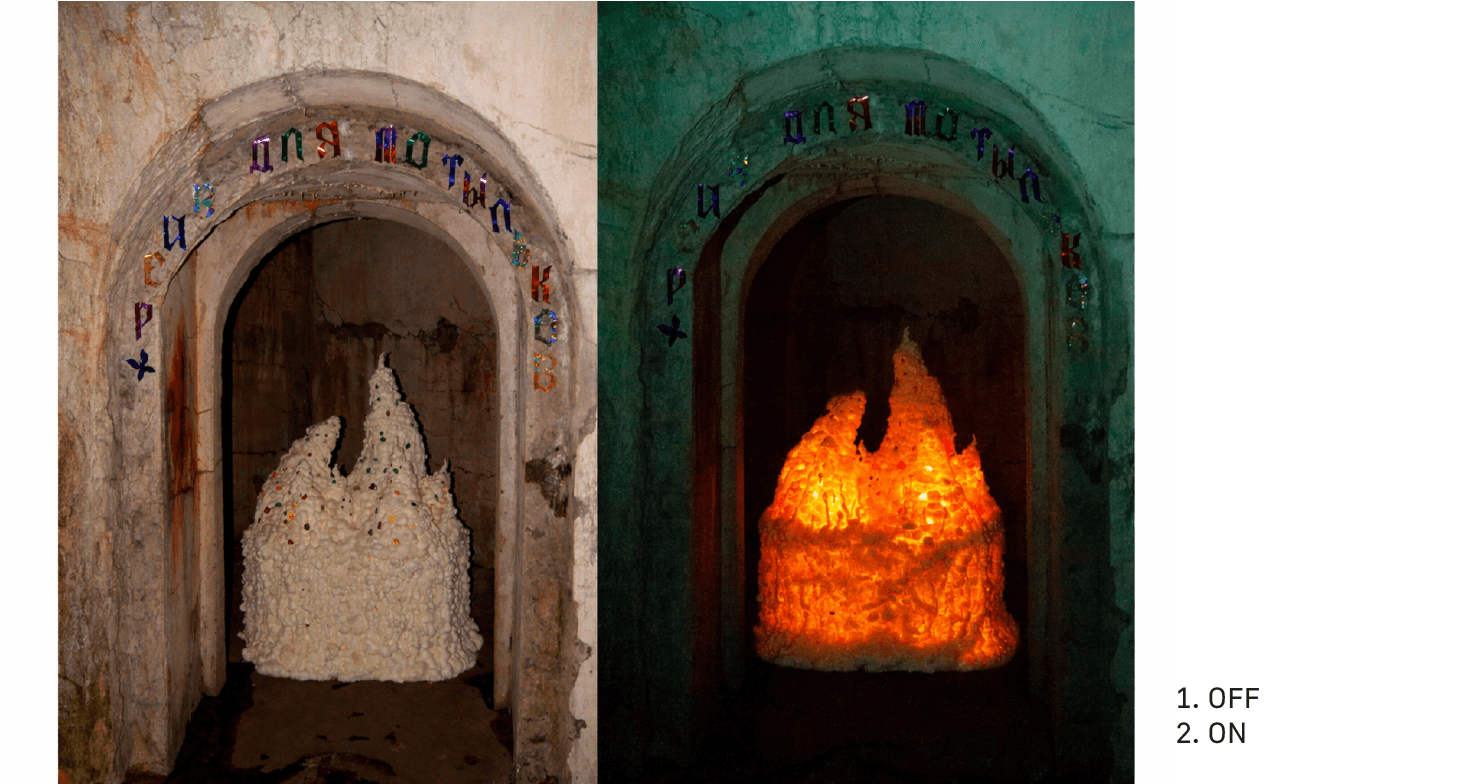
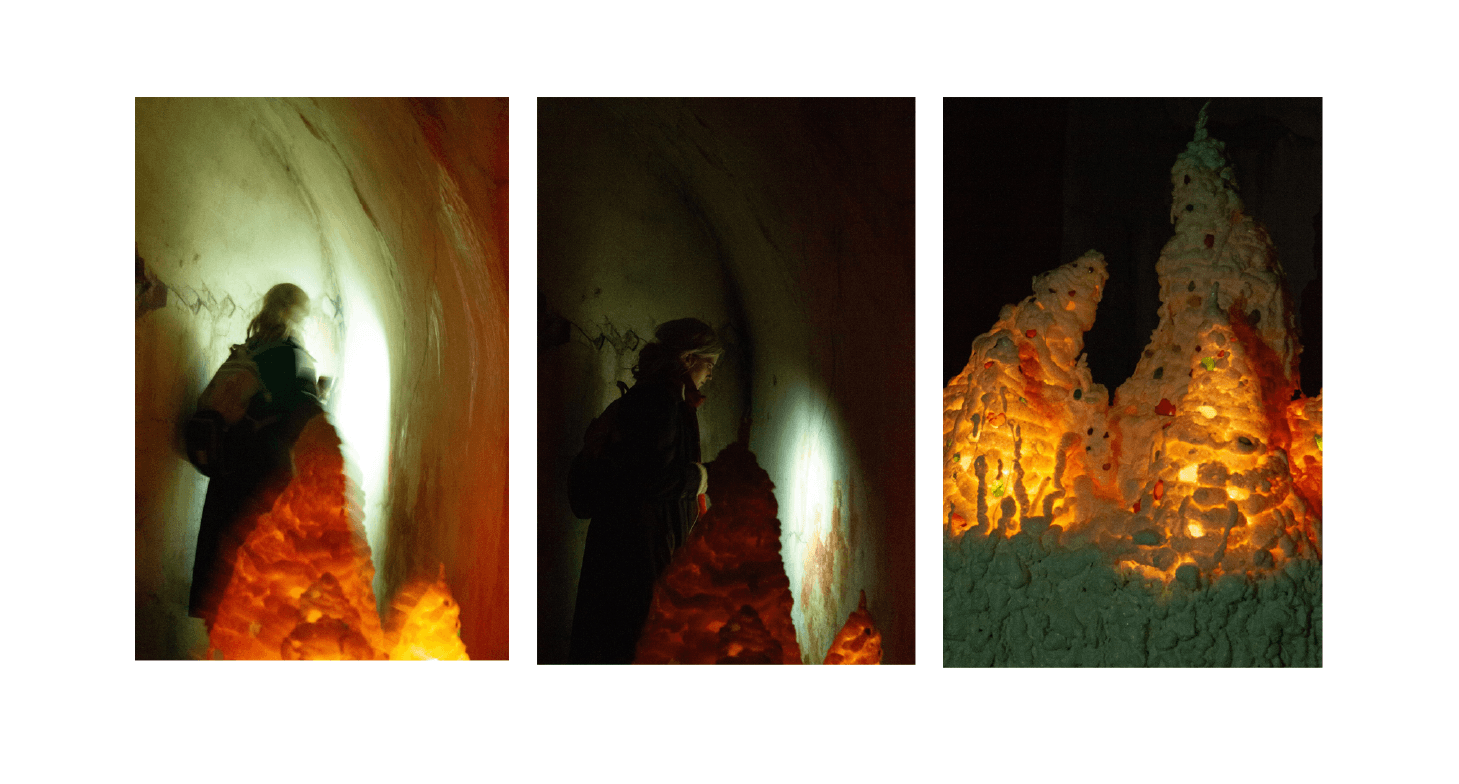
The installation introduces an artificial signaling system embedded within a stalagmite-like structure - a form native to the site. Constructed from stones collected at Vladivostok’s Glass Beach, the work ties together military, geological, and ecological layers of the territory.
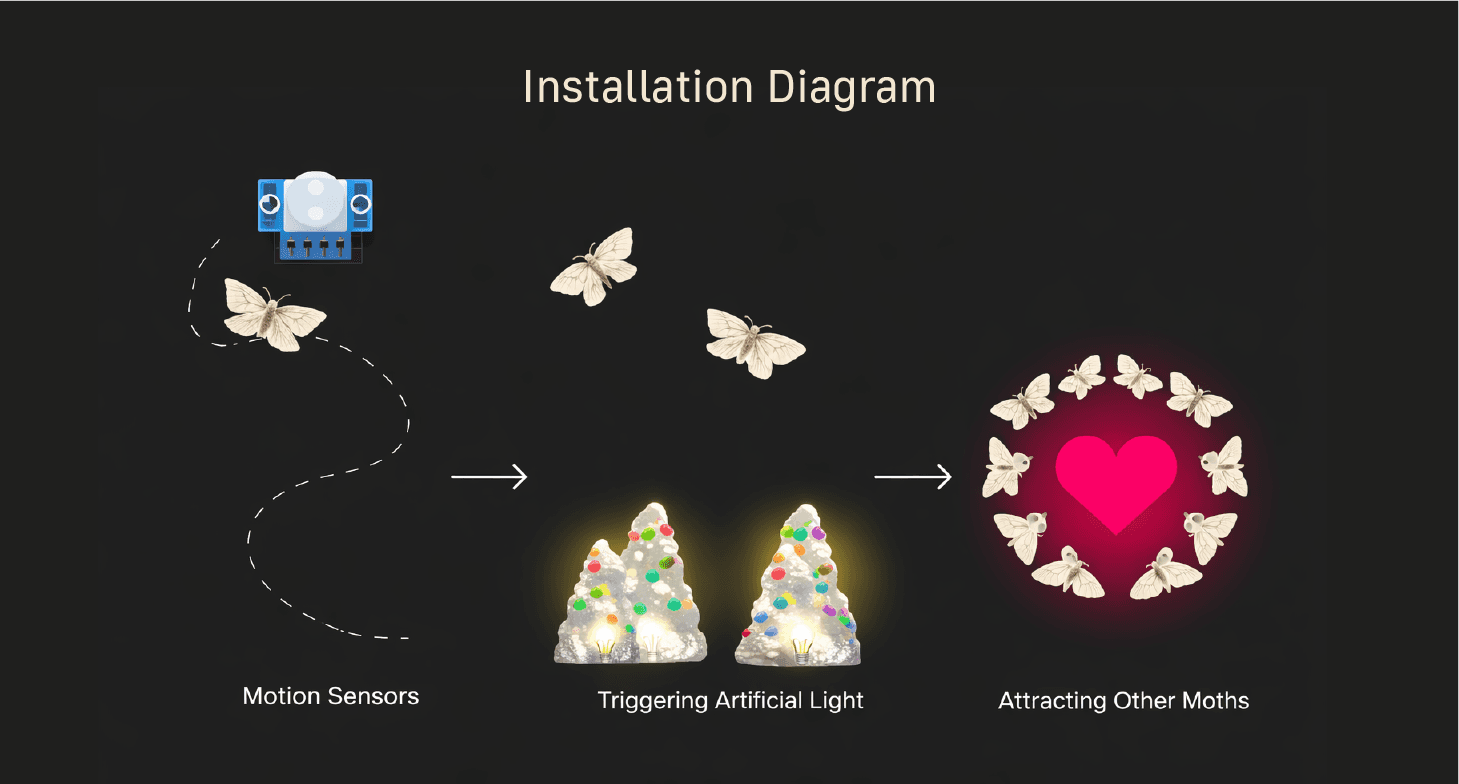
An Arduino-based system with motion sensors detects the presence of moths and activates flickering light within the structure. This light attracts other moths, forming a feedback loop of gathering, proximity, and reproduction - a non-human “rave.”
The project recontextualizes a space built for war into an infrastructure for encounter and continuation of life. The phrase “Make love, not war” is displaced from its human-centered political history and translated into a biological imperative: even within architectures of anticipated conflict, life reorganizes itself around connection rather than destruction.
Scientific supervisor of the project: Ippolit Markelov, PhD in Biology, bio artist, ITMO University
In collaboration with : SYMETRIA / AXNHER
Publication & Documuntation
Apples of Eternal Youthfulness
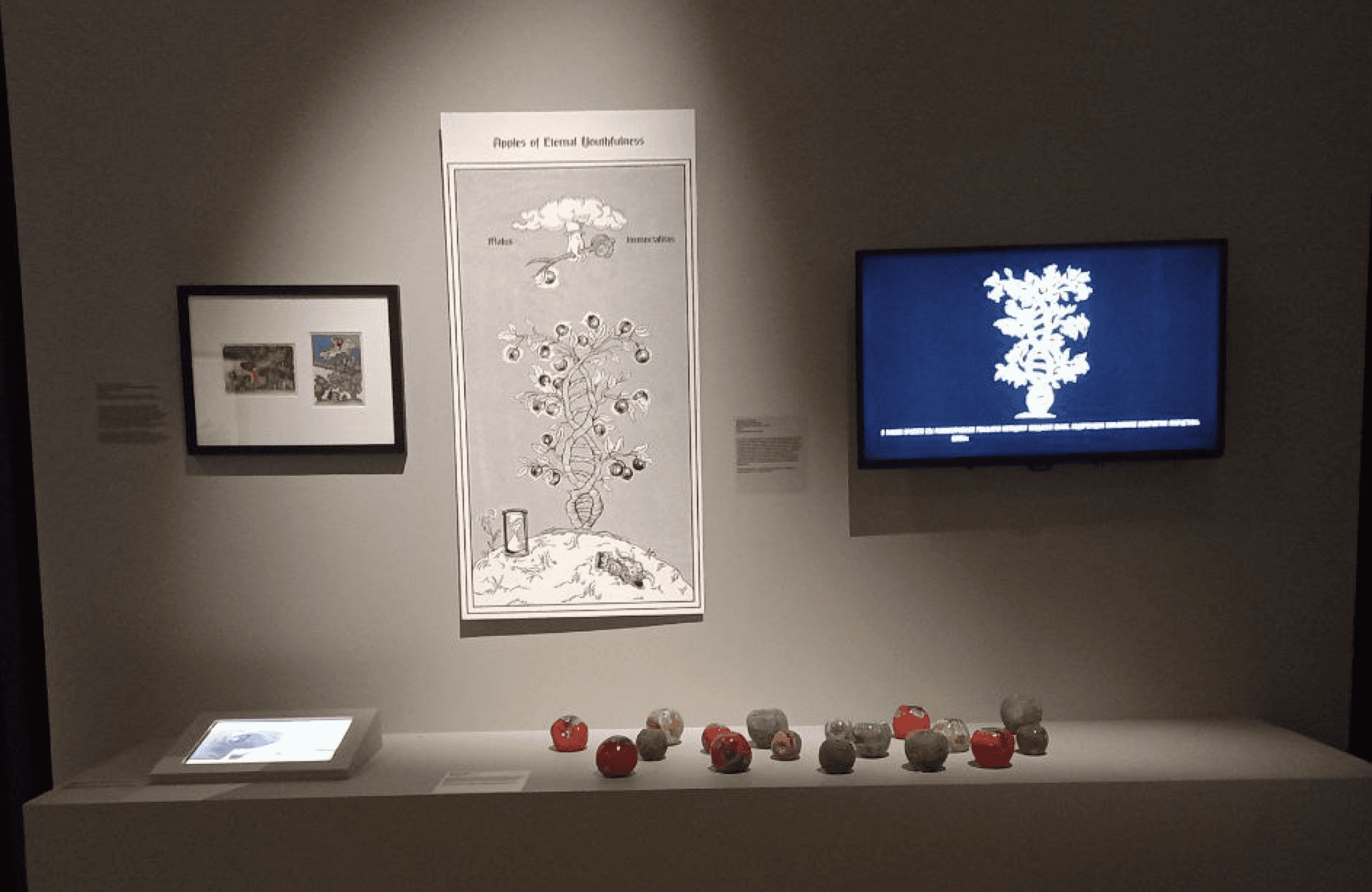
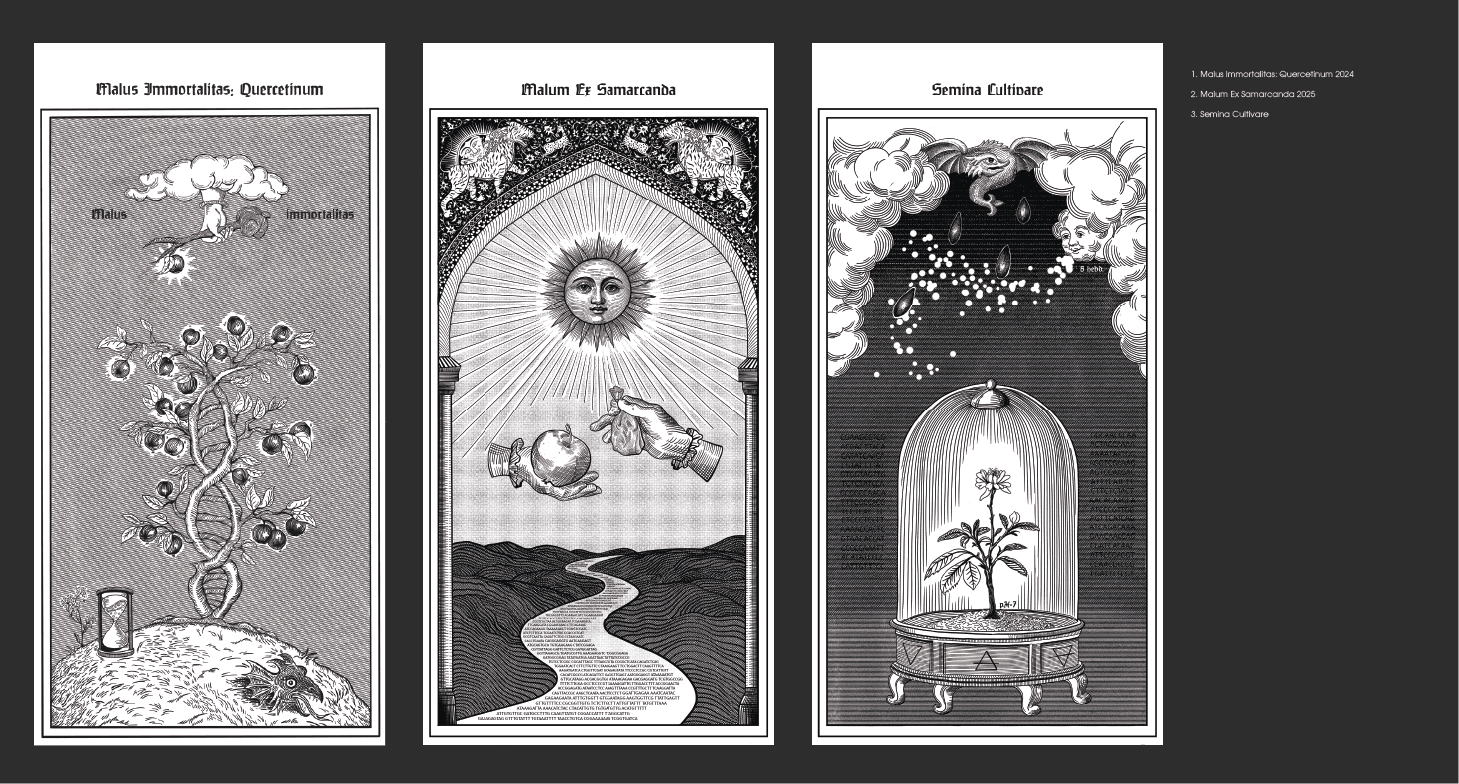
The project “Apples of Eternal Youthfulness” explores the boundary between myth and biotechnology, proposing a reconsideration of aging not as an inevitable natural process, but as a biological mechanism open to intervention.
The visual component of the project consists of a series of posters created in the style of medieval alchemical engravings. Within them, a “recipe” for creating rejuvenating apples is encoded — an artistic interpretation of a scientific scheme that merges the language of ancient alchemy with contemporary biotechnology. This form references the historical search for the elixir of immortality, suggesting that the desire to overcome aging has accompanied humanity throughout its history.
Modern science increasingly approaches aging as a set of interconnected processes known as the hallmarks of aging. One of the key mechanisms is cellular senescence, associated with the accumulation of senescent cells. These cells lose their ability to divide, accumulate damage, and begin to affect surrounding tissues, contributing to age-related diseases, including chronic inflammation and neurodegeneration.
Despite significant scientific progress, aging is still widely perceived in society as a natural and inevitable process, rather than a potentially treatable condition. The project addresses this paradox: culturally, aging is accepted, while biologically it is becoming increasingly modifiable.
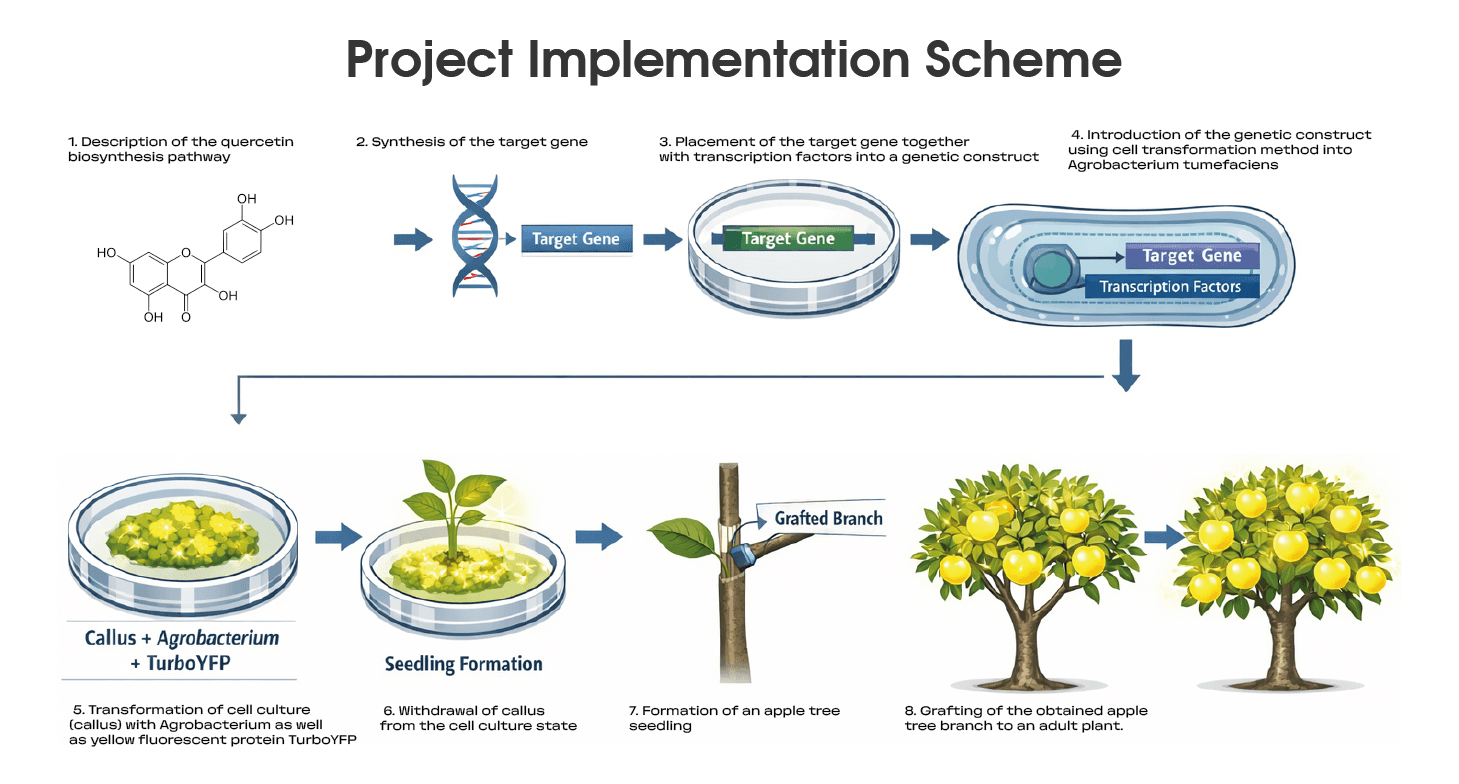
At the core of the project lies a real biotechnological approach: the creation of apples with an increased content of quercetin — a natural flavonoid compound with senolytic properties, meaning it can selectively target senescent cells.
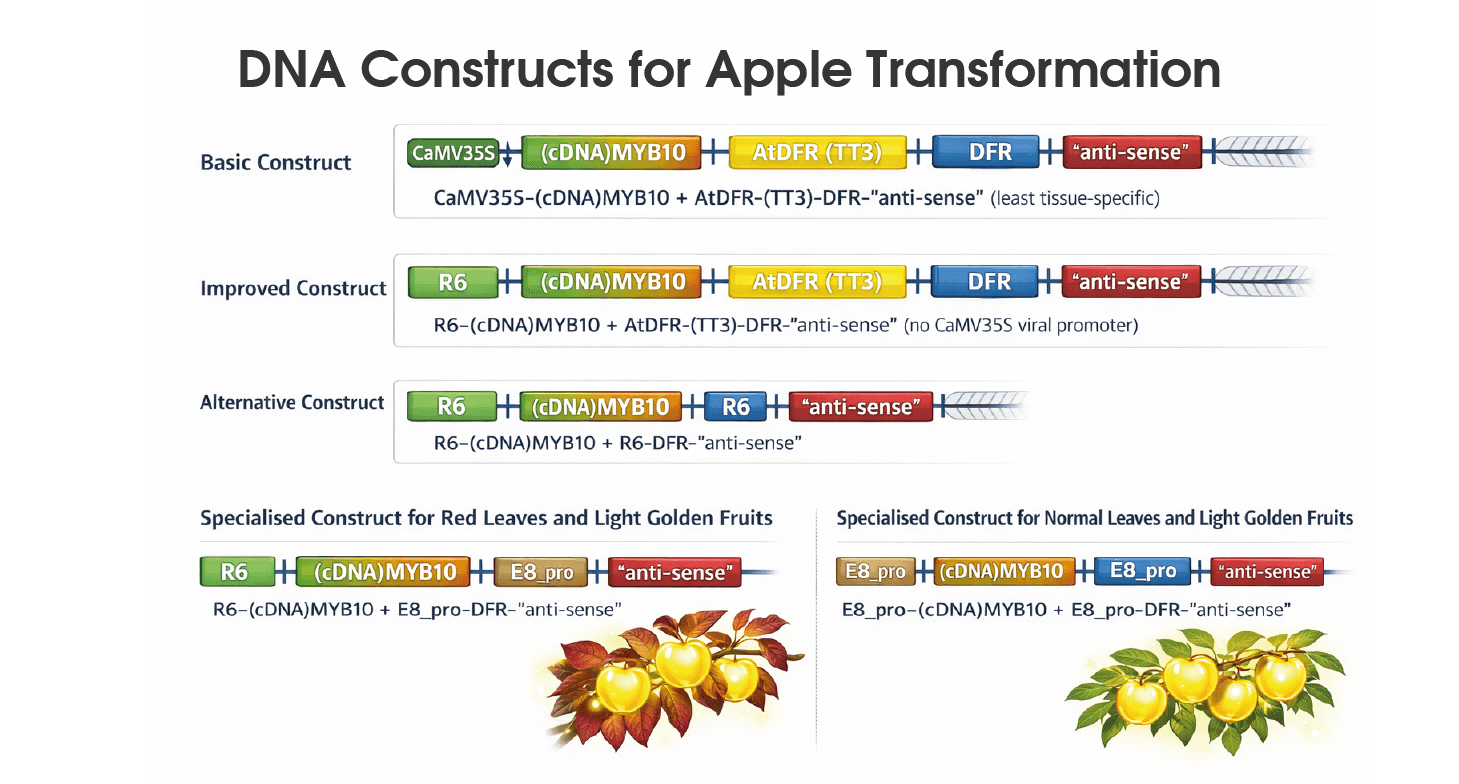
The proposed method is based on the genetic transformation of apple trees using Agrobacterium tumefaciens, a bacterium capable of transferring synthetically designed DNA constructs into plant cells. These genetic constructs are designed to enhance the biosynthesis of quercetin in the fruit.
Thus, the project exists at the intersection of artistic imagination and scientific possibility: the “apples of eternal youthfulness” function simultaneously as a cultural archetype and a potential biotechnological object.
By combining alchemical visual language with contemporary science, the work proposes a new way of thinking about longevity — not through fear or denial, but through curiosity, imagination, and the redefinition of what is possible.
Scientific supervisor of the project: Ippolit Markelov, PhD in Biology, bio artist, ITMO University
Scientific advisor of the project: Alexey Strygin / Alexander Panchin /
Denis Markov
Lucilia
Immunologists say that in 20 years, infections will claim 10 million lives every year. But bacteria can adapt quickly to antibiotics, so scientists have to invent a new drug every few years to protect us from infectious diseases. However, bacteria also have an impact on other creatures. For example, flies have lived in the most contaminated environments since ancient times, but bacteria don't kill them. Why not? They have a secretion. It's a liquid on the surface of their bodies that they produce during digestion. The secretion contains compounds that protect the flies from various infections.
In the laboratory of insect biopharmacology and immunology of SPbSU, we, the artists, isolated secretion of the larvae of the meat green fly Lucilia sericata. Secretion proved its effectiveness on staphylococcus, micrococcus, Escherichia coli - the most common bacteria in the world. The study designed a device that would allow Secretion to be isolated in the home. The device demonstrates the full cycle of a fly's life: at the top of the flower is agar, which lures it in. Since this is an ideal breeding environment, the fly is happy to lay its eggs here. The eggs hatch into larvae. They live in a specially recreated environment that resembles their natural habitat. The larvae are washed off with water in a special compartment. The “Lucilia” device is designed in the form of a rafflesia, a flower that grows in the Philippines. Flies love it very much. Such a flower of the future is a prototype of a device that will allow everyone to get secretion at home.
As we look to the future, we look beyond the human. There are so many amazing creatures around who have been on this planet far longer than we have. And the evolutionary mechanisms that allowed them to survive are things we can learn from.
Scientific supervisor of the project: Ippolit Markelov, PhD in Biology, bio artist, ITMO University
Scientific advisor of the project:
Andrey Yakovlev, PhD in Biology, SPbSU
In collaboration with: Irina Koroleva
Waterfront / A Danish - Russian Artistic
Eco-urbanistic Project Focusing on Water
Waterfront is a participatory, research-based project exploring the relationship between cities and their coastal areas.
The project is being realised by the Consulate General of the Netherlands in St. Petersburg and Danish Cultural Institute.
While waterfronts are public spaces, their development is often shaped without the involvement of local residents, resulting in environments that do not reflect everyday needs. The project reconsiders this model by positioning citizens as active participants in the transformation of urban spaces.
The project combines artistic practice, urban research and interdisciplinary collaboration. Working in teams, we explored four sites in Saint Petersburg through field research, collecting local narratives and identifying community needs.
Based on this research, the teams developed speculative and practical scenarios for the future of these territories, proposing new forms of interaction between residents, institutions and the urban environment.
Waterfront operates as both a platform and a process, bringing together artists, architects, sociologists and local communities to rethink how public space can be collectively imagined and shaped.
Curator: Dmitry Pilikin, art historian, researcher of urban culture, employee of the Museum of Modern Art of St. Petersburg state University
Producer:
Albina Motor, the driver of art programs in the urban environment, the founder of the Street Art Research Institute.
Organizers of the exhibition: the Street Art Research Institute the Danish Institute of Culture in St. Petersburg
Thought 688: Mini Opera
“THOUGHT 688” is a mini-opera based on a work by Alexander Ilyanen.
Events of the past coexist in our memory simultaneously and can always be “reassembled” into a new sequence. The libretto of the mini-opera is therefore constructed through storytelling by the audience themselves, who, during the performance, “reassemble” the literary text into an entirely new work.
As Roland Barthes wrote, “we do not aim to find a single meaning, nor even one of the possible meanings of a text. Our goal is to think, imagine, and experience the plurality of the text, the openness of the process of signification.”
However, beyond their conceptual meanings, writing and text also possess very tangible physical dimensions expressed through sound. In this mini-opera, these sonic aspects become just as essential to the generation of the text as its linguistic component.
The processes of writing and the meanings embedded in the literary work are represented through the tempo of writing, the timbres created by the interaction between instrument (pencil, marker, etc.) and surface (paper, wood), and the vocal intonations that speak or sing the text in sequences determined by the audience.
Curator: Vera Martynov within the framework of PERFORMA project
Performed by:
Svetlana Arzumanova / Julia Kravchenko / Nadezhda Fedotova / Margarita Borisova-Lebedeva
In collaboration with: Ekaterina Lopatina / Dmitry Shubin
Place: Tovstonogov Bolshoi Drama Theater
Publication & Documuntation
Dark Ordovician: what will be born in the Radon Lakes?
The installation represents a kind of "new" cultural layer: a relief of the seabed on which construction debris is adjacent to fossils. The issue of this hyperobject brings us to the question of priorities. On the one hand, the influence of the Anthropocene leads to the death of living organisms, on the other hand, it serves to give rise to new life.
These trilobites and other fossils have been collected from the Radon Lakes. The uniqueness of these lakes is in the high content of radon gas, which means that organic life is impossible in the water.
But people havepolluted these lakes. Now microorganisms and algae appear in them, which were not there before. Nature, its forces and laws, is much larger, stronger and more chaotic than we imagine. Even technogenic processes are part of the ecosystem, part of Nature.
Scientific supervisor of the project: Ippolit Markelov
Scientific advisor of the project:
Andrey Yuryevich Yakovlev
In collaboration with: Irina Koroleva
Publication & Documuntation
Terms of interpretation
The idea of performance is the possibility of self-research and raises the question of self-identification and the situation of abandonment of the border between man and his image in society.
The idea of performance is the possibility of self-research and raises the question of self-identification and the situation of abandonment of the border between man and his image in society. Interpretation in this context is a translation from one language to another, which is carried out outside the obvious reality in the language of artistic practices.
In this performance the interpretation of the first level is the text: the actor creates a text document using the method of psychoanalytic
play. The second level interpretation is a visual object: the artist creates a visual object on the basis of a text document. The interpretation of the third level is the sound: on the basis of the visual image, the characteristic sound of each module is created. The sequence of reincarnations stops at the sound. Through the experience of sound communication during performance we can achieve a release from the levels of interpretation. The performer goes out of the circle.
Curators: Alexandra Ominina / Marina Alvitr
In collaboration with: Anna Martynenko
Publication & Documuntation
Rave for moths
Rave for Moths is a site-specific installation developed in the abandoned coastal forts of Vladivostok — military structures built in anticipation of the Russo-Japanese War, yet never fully used. These architectures of potential violence now stand as relics of a conflict that was prepared for but never realized.
The installation introduces an artificial signaling system embedded within a stalagmite-like structure - a form native to the site. Constructed from stones collected at Vladivostok’s Glass Beach, the work ties together military, geological, and ecological layers of the territory.
An Arduino-based system with motion sensors detects the presence of moths and activates flickering light within the structure. This light attracts other moths, forming a feedback loop of gathering, proximity, and reproduction - a non-human “rave.”
The project recontextualizes a space built for war into an infrastructure for encounter and continuation of life. The phrase “Make love, not war” is displaced from its human-centered political history and translated into a biological imperative: even within architectures of anticipated conflict, life reorganizes itself around connection rather than destruction.
Scientific supervisor of the project: Ippolit Markelov, PhD in Biology, bio artist, ITMO University
In collaboration with : SYMETRIA / AXNHER
Publication & Documuntation
Apples of Eternal Youthfulness
The project “Apples of Eternal Youthfulness” explores the boundary between myth and biotechnology, proposing a reconsideration of aging not as an inevitable natural process, but as a biological mechanism open to intervention.
The visual component of the project consists of a series of posters created in the style of medieval alchemical engravings. Within them, a “recipe” for creating rejuvenating apples is encoded — an artistic interpretation of a scientific scheme that merges the language of ancient alchemy with contemporary biotechnology. This form references the historical search for the elixir of immortality, suggesting that the desire to overcome aging has accompanied humanity throughout its history.
Modern science increasingly approaches aging as a set of interconnected processes known as the hallmarks of aging. One of the key mechanisms is cellular senescence, associated with the accumulation of senescent cells. These cells lose their ability to divide, accumulate damage, and begin to affect surrounding tissues, contributing to age-related diseases, including chronic inflammation and neurodegeneration.
Despite significant scientific progress, aging is still widely perceived in society as a natural and inevitable process, rather than a potentially treatable condition. The project addresses this paradox: culturally, aging is accepted, while biologically it is becoming increasingly modifiable.
At the core of the project lies a real biotechnological approach: the creation of apples with an increased content of quercetin — a natural flavonoid compound with senolytic properties, meaning it can selectively target senescent cells.
The proposed method is based on the genetic transformation of apple trees using Agrobacterium tumefaciens, a bacterium capable of transferring synthetically designed DNA constructs into plant cells. These genetic constructs are designed to enhance the biosynthesis of quercetin in the fruit.
Thus, the project exists at the intersection of artistic imagination and scientific possibility: the “apples of eternal youthfulness” function simultaneously as a cultural archetype and a potential biotechnological object.
By combining alchemical visual language with contemporary science, the work proposes a new way of thinking about longevity — not through fear or denial, but through curiosity, imagination, and the redefinition of what is possible.
Scientific supervisor of the project: Ippolit Markelov, PhD in Biology, bio artist, ITMO University
Scientific advisor of the project: Alexey Strygin / Alexander Panchin /
Denis Markov
Lucilia
Immunologists say that in 20 years, infections will claim 10 million lives every year. But bacteria can adapt quickly to antibiotics, so scientists have to invent a new drug every few years to protect us from infectious diseases. However, bacteria also have an impact on other creatures. For example, flies have lived in the most contaminated environments since ancient times, but bacteria don't kill them. Why not? They have a secretion. It's a liquid on the surface of their bodies that they produce during digestion. The secretion contains compounds that protect the flies from various infections.
In the laboratory of insect biopharmacology and immunology of SPbSU, we, the artists, isolated secretion of the larvae of the meat green fly Lucilia sericata. Secretion proved its effectiveness on staphylococcus, micrococcus, Escherichia coli - the most common bacteria in the world. The study designed a device that would allow Secretion to be isolated in the home. The device demonstrates the full cycle of a fly's life: at the top of the flower is agar, which lures it in. Since this is an ideal breeding environment, the fly is happy to lay its eggs here. The eggs hatch into larvae. They live in a specially recreated environment that resembles their natural habitat. The larvae are washed off with water in a special compartment. The “Lucilia” device is designed in the form of a rafflesia, a flower that grows in the Philippines. Flies love it very much. Such a flower of the future is a prototype of a device that will allow everyone to get secretion at home.
As we look to the future, we look beyond the human. There are so many amazing creatures around who have been on this planet far longer than we have. And the evolutionary mechanisms that allowed them to survive are things we can learn from.
Scientific supervisor of the project: Ippolit Markelov, PhD in Biology, bio artist, ITMO University
Scientific advisor of the project:
Andrey Yakovlev, PhD in Biology, SPbSU
In collaboration with: Irina Koroleva
Waterfront / A Danish - Russian Artistic Eco-urbanistic Project Focusing on Water
Waterfront is a participatory, research-based project exploring the relationship between cities and their coastal areas.
The project is being realised by the Consulate General of the Netherlands in St. Petersburg and Danish Cultural Institute.
While waterfronts are public spaces, their development is often shaped without the involvement of local residents, resulting in environments that do not reflect everyday needs. The project reconsiders this model by positioning citizens as active participants in the transformation of urban spaces.
The project combines artistic practice, urban research and interdisciplinary collaboration. Working in teams, we explored four sites in Saint Petersburg through field research, collecting local narratives and identifying community needs.
Based on this research, the teams developed speculative and practical scenarios for the future of these territories, proposing new forms of interaction between residents, institutions and the urban environment.
Waterfront operates as both a platform and a process, bringing together artists, architects, sociologists and local communities to rethink how public space can be collectively imagined and shaped.
Curator: Dmitry Pilikin, art historian, researcher of urban culture, employee of the Museum of Modern Art of St. Petersburg state University
Producer:
Albina Motor, the driver of art programs in the urban environment, the founder of the Street Art Research Institute.
Organizers of the exhibition: the Street Art Research Institute the Danish Institute of Culture in St. Petersburg
Thought 688: Mini Opera
“THOUGHT 688” is a mini-opera based on a work by Alexander Ilyanen.
Events of the past coexist in our memory simultaneously and can always be “reassembled” into a new sequence. The libretto of the mini-opera is therefore constructed through storytelling by the audience themselves, who, during the performance, “reassemble” the literary text into an entirely new work.
As Roland Barthes wrote, “we do not aim to find a single meaning, nor even one of the possible meanings of a text. Our goal is to think, imagine, and experience the plurality of the text, the openness of the process of signification.”
However, beyond their conceptual meanings, writing and text also possess very tangible physical dimensions expressed through sound. In this mini-opera, these sonic aspects become just as essential to the generation of the text as its linguistic component.
The processes of writing and the meanings embedded in the literary work are represented through the tempo of writing, the timbres created by the interaction between instrument (pencil, marker, etc.) and surface (paper, wood), and the vocal intonations that speak or sing the text in sequences determined by the audience.
Curator: Vera Martynov within the framework of PERFORMA project
Performed by:
Svetlana Arzumanova / Julia Kravchenko / Nadezhda Fedotova / Margarita Borisova-Lebedeva
In collaboration with: Ekaterina Lopatina / Dmitry Shubin
Place: Tovstonogov Bolshoi Drama Theater
Publication & Documuntation
Dark Ordovician: what will be born in the Radon Lakes?
The installation represents a kind of "new" cultural layer: a relief of the seabed on which construction debris is adjacent to fossils. The issue of this hyperobject brings us to the question of priorities. On the one hand, the influence of the Anthropocene leads to the death of living organisms, on the other hand, it serves to give rise to new life.
These trilobites and other fossils have been collected from the Radon Lakes. The uniqueness of these lakes is in the high content of radon gas, which means that organic life is impossible in the water.
But people havepolluted these lakes. Now microorganisms and algae appear in them, which were not there before. Nature, its forces and laws, is much larger, stronger and more chaotic than we imagine. Even technogenic processes are part of the ecosystem, part of Nature.
Scientific supervisor of the project: Ippolit Markelov
Scientific advisor of the project:
Andrey Yuryevich Yakovlev
In collaboration with: Irina Koroleva
Publication & Documuntation
Terms of interpretation
The idea of performance is the possibility of self-research and raises the question of self-identification and the situation of abandonment of the border between man and his image in society.
The idea of performance is the possibility of self-research and raises the question of self-identification and the situation of abandonment of the border between man and his image in society. Interpretation in this context is a translation from one language to another, which is carried out outside the obvious reality in the language of artistic practices.
In this performance the interpretation of the first level is the text: the actor creates a text document using the method of psychoanalytic
play. The second level interpretation is a visual object: the artist creates a visual object on the basis of a text document. The interpretation of the third level is the sound: on the basis of the visual image, the characteristic sound of each module is created. The sequence of reincarnations stops at the sound. Through the experience of sound communication during performance we can achieve a release from the levels of interpretation. The performer goes out of the circle.
Curators: Alexandra Ominina / Marina Alvitr
In collaboration with: Anna Martynenko
Publication & Documuntation
Rave for moths
Rave for Moths is a site-specific installation developed in the abandoned coastal forts of Vladivostok — military structures built in anticipation of the Russo-Japanese War, yet never fully used. These architectures of potential violence now stand as relics of a conflict that was prepared for but never realized.
The installation introduces an artificial signaling system embedded within a stalagmite-like structure - a form native to the site. Constructed from stones collected at Vladivostok’s Glass Beach, the work ties together military, geological, and ecological layers of the territory.
An Arduino-based system with motion sensors detects the presence of moths and activates flickering light within the structure. This light attracts other moths, forming a feedback loop of gathering, proximity, and reproduction - a non-human “rave.”
The project recontextualizes a space built for war into an infrastructure for encounter and continuation of life. The phrase “Make love, not war” is displaced from its human-centered political history and translated into a biological imperative: even within architectures of anticipated conflict, life reorganizes itself around connection rather than destruction.
Scientific supervisor of the project: Ippolit Markelov, PhD in Biology, bio artist, ITMO University
In collaboration with : SYMETRIA / AXNHER
Publication & Documuntation
Apples of Eternal Youthfulness
The project “Apples of Eternal Youthfulness” explores the boundary between myth and biotechnology, proposing a reconsideration of aging not as an inevitable natural process, but as a biological mechanism open to intervention.
The visual component of the project consists of a series of posters created in the style of medieval alchemical engravings. Within them, a “recipe” for creating rejuvenating apples is encoded — an artistic interpretation of a scientific scheme that merges the language of ancient alchemy with contemporary biotechnology. This form references the historical search for the elixir of immortality, suggesting that the desire to overcome aging has accompanied humanity throughout its history.
Modern science increasingly approaches aging as a set of interconnected processes known as the hallmarks of aging. One of the key mechanisms is cellular senescence, associated with the accumulation of senescent cells. These cells lose their ability to divide, accumulate damage, and begin to affect surrounding tissues, contributing to age-related diseases, including chronic inflammation and neurodegeneration.
Despite significant scientific progress, aging is still widely perceived in society as a natural and inevitable process, rather than a potentially treatable condition. The project addresses this paradox: culturally, aging is accepted, while biologically it is becoming increasingly modifiable.
At the core of the project lies a real biotechnological approach: the creation of apples with an increased content of quercetin — a natural flavonoid compound with senolytic properties, meaning it can selectively target senescent cells.
The proposed method is based on the genetic transformation of apple trees using Agrobacterium tumefaciens, a bacterium capable of transferring synthetically designed DNA constructs into plant cells. These genetic constructs are designed to enhance the biosynthesis of quercetin in the fruit.
Thus, the project exists at the intersection of artistic imagination and scientific possibility: the “apples of eternal youthfulness” function simultaneously as a cultural archetype and a potential biotechnological object.
By combining alchemical visual language with contemporary science, the work proposes a new way of thinking about longevity — not through fear or denial, but through curiosity, imagination, and the redefinition of what is possible.
Scientific supervisor of the project: Ippolit Markelov, PhD in Biology, bio artist, ITMO University
Scientific advisor of the project: Alexey Strygin / Alexander Panchin /
Denis Markov
A participatory, research-based and site-specific art practice engaging with science and neuroaesthetics
A participatory, research-based and site-specific
art practice engaging with science and neuroaesthetics